
Miami Beach is a barrier island, and that geography shapes almost every crash that happens here. Everyone driving onto the island has to funnel across one of a handful of causeways, Collins Avenue and Ocean Drive carry a constant mix of tourists on foot, valets, delivery scooters, and bumper to bumper traffic, and a huge share of the people moving around at any given moment are visitors who do not know the streets. If you were hit as a pedestrian, knocked off a scooter, or hurt as a passenger in an Uber or Lyft on Miami Beach, this guide walks through what to do first and how these cases tend to work.
This is general information, not legal advice for your specific situation. A free consultation can sort out how these rules apply to what actually happened to you.
Why Miami Beach crashes look different
A few things about the island make pedestrian and rideshare crashes here their own category:
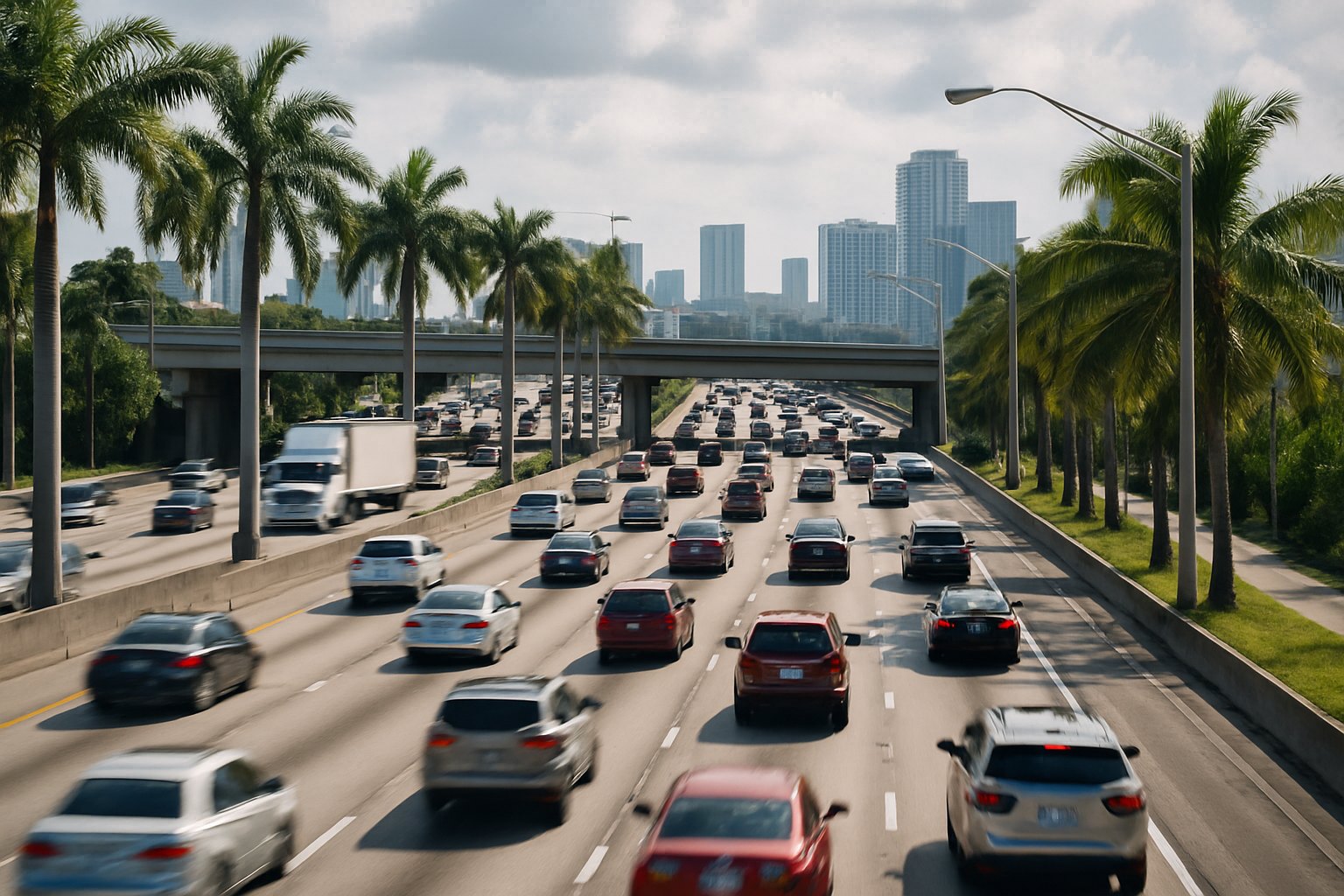
- Everyone funnels across the same causeways. The MacArthur Causeway (US-41) carries traffic in from downtown and the Port of Miami, and the Julia Tuttle Causeway (I-195) feeds in from midtown. Both dump heavy volume onto a narrow island, and the merge points near 5th Street and Alton Road are congested for much of the day and night.
- Collins Avenue and Ocean Drive are pedestrian heavy. These corridors run past hotels, restaurants, and nightlife, so foot traffic spills into crosswalks and sometimes into the road itself. Drivers looking for parking or a valet stand are often distracted at the exact moment a pedestrian steps off the curb.
- Rideshare traffic is constant. Visitors without a car rely on Uber and Lyft to get from their hotel to dinner and back, which means a huge volume of pickups and drop offs happening curbside, often in travel lanes.
- Scooters and bikes share the same lanes as cars, and many riders are tourists who have never ridden one before and do not know local traffic patterns.
- Out of town drivers do not know the island. Visitors unfamiliar with the one way streets and causeway merges make mistakes a local driver might not.
Put all of that together and you get a place where pedestrians, scooter riders, and rideshare passengers are hurt at a higher rate than the mainland grid a few miles away.
If you were hit as a pedestrian
Whether you were crossing Collins Avenue, walking along Ocean Drive, or stepping off a curb near a hotel, the same basic steps apply:
- Call 911 and get medical help. Even if you feel able to walk away, get checked out. Pedestrians hit by a vehicle can have internal injuries or head trauma that are not obvious right away.
- Get a police report started. Miami Beach Police responds to these calls, and the report becomes a neutral record of what happened, including where on the road or sidewalk the crash occurred.
- Take photos of everything. The vehicle, the crosswalk or intersection, any traffic signal, skid marks, and your own visible injuries. On Miami Beach, exact location matters, since a crash on Collins Avenue near a hotel loading zone can raise different questions than one at a signalized crosswalk.
- Get witness names and numbers. Ocean Drive and Collins Avenue are busy, and someone likely saw what happened. Witnesses tend to be visitors themselves, so get their contact information before they leave the island.
- Do not discuss fault with the driver or their insurance company. Stick to the facts when you talk to police, and let a professional handle the back and forth with the insurance company later.
If you were hurt on a rental scooter or bike
Scooter and bike crashes on Miami Beach usually fall into one of two categories: a car turning into or across your path, or a road hazard like a pothole or uneven pavement that throws the rider. The same evidence steps apply either way. Photograph the scene, including the surface if a hazard was involved, get medical care promptly, and hold onto the rental agreement and any app records showing when and where the ride started.

If you were a passenger in an Uber or Lyft
Rideshare passengers are common on Miami Beach, and if your driver was in a crash, you generally did nothing to cause it, so coverage is usually available whether your driver or the other driver was at fault. Get medical attention, take photos if you are able, and get the names of both drivers and any witnesses. It also helps to report the crash inside the Uber or Lyft app, since that creates a record on the company's side. If you were a pedestrian struck by a rideshare driver rather than a passenger, the same evidence steps apply as any other pedestrian crash. A Miami rideshare accident lawyer can walk through how those layers apply to your situation.
Getting medical care after a Miami Beach crash
Mount Sinai Medical Center sits on the island itself and is the primary hospital for people injured on Miami Beach, which matters when every minute counts and you do not want to be stuck crossing a causeway during an emergency. If your injuries are not life threatening but you are in pain, it is still worth being seen quickly. In Florida, if you have personal injury protection, often called PIP, through an auto policy, you generally must seek treatment within fourteen days of the crash to use those benefits, so do not wait to see if the pain goes away on its own.
Why these cases get complicated
A pedestrian or rideshare crash on Miami Beach can involve more layers of insurance than people expect. There is the at fault driver's liability coverage, possibly PIP on your own policy or the driver's, and if a rideshare vehicle was involved, potentially Uber or Lyft's coverage layered on top depending on what the app was doing at the moment of the crash. Add in that many of the people involved, drivers and witnesses alike, are visitors who leave the state soon after, and the insurance company on the other side may try to argue about fault, dispute how badly you were hurt, or simply delay. You do not have to sort that out on your own. If your case involved a car rather than a pedestrian crash, a personal injury lawyer in Miami Beach can also help.
How long you have to act
As of Florida's 2023 tort reform, most negligence based personal injury claims must be filed within two years of the injury. This is general information, and the deadline for your specific situation can differ, so confirm your exact timeline with an attorney rather than assuming you have plenty of time. Evidence on a busy tourist corridor also fades fast, since witnesses leave the island and surveillance footage from hotels and businesses is often overwritten within days or weeks, so acting quickly helps preserve what happened.
How Reyes Injury Law can help
At Reyes Injury Law, our Miami team handles pedestrian and rideshare cases on the island and across Miami-Dade on a contingency basis, which means no fee unless we win your case. Even in a contingency case, clients may still be responsible for certain costs and expenses regardless of the outcome, and we walk through all of that up front so there are no surprises. We are bilingual, se habla espanol, and a real person answers when you call, so you are not chasing us for updates while you recover. To talk through what happened on Miami Beach and what your options are, reach out through our contact page for a free consultation. There is no obligation and no cost to have the conversation.
Frequently asked questions
I was hit as a pedestrian on Collins Avenue. What should I do first?
I was a passenger in an Uber that crashed on Miami Beach. Whose insurance pays?
Do the causeways make Miami Beach crashes more complicated?
I was hurt on a rental scooter. What evidence should I gather?
Where do I go for treatment after a Miami Beach crash?
How long do I have to file a claim after a Miami Beach crash?
What to do next
If any of this describes what happened to you, the next step is simple: get advice before you talk to the insurance company.
Why the timing matters
Evidence disappears, surveillance video is overwritten, and Florida sets a deadline for filing an injury claim. Getting advice early costs nothing and protects your options.
A note on fees
The consultation is free and there is no fee unless we win. You may still be responsible for case costs and expenses regardless of the outcome.
More Miami injury guides
- What to Do After a Car Accident in Miami
- Do I Need a Lawyer After a Car Accident in Miami?
- How Long Do I Have to File an Injury Claim in Florida?
- What Is My Injury Case Worth in Florida?
- What to Do After a Slip and Fall in Miami
- Injured in an Uber or Lyft in Miami? Here Is What to Do
- How to Pay Medical Bills After a Miami Accident
- What No Fee Unless We Win Really Means
- Car Accidents on the Palmetto Expressway: What to Do
- Injured in Hialeah? A Local Injury Guide
- Car Accidents on US-1 in Kendall and South Miami-Dade
- Crashes Near the 826 and 836 Interchange in Doral
- Injured in Homestead? US-1 and the Turnpike