Miami Wrongful Death Lawyers
When a family loses someone to another's negligence, we handle the legal fight with compassion so the family can grieve.
Call (305) 555-0147Free ConsultationMiami Wrongful Death Lawyer
When a family loses someone to another's negligence, we handle the legal fight with compassion so the family can grieve. We represent injured people across Miami and Miami-Dade County, and a real person answers when you call, 24 hours a day.
How we help
- We take on the insurance company. You do not deal with the insurance company; we do.
- We help arrange your medical care. We help you get to the right doctors and get your injuries documented.
- We investigate fast. We move quickly to preserve the evidence before it disappears and build your case.
- We keep you updated. We call you with real status so you never have to chase your own case.
- No fee unless we win. The consultation is free; you may still be responsible for costs and expenses regardless of the outcome.
What sets us apart
The most common thing we hear is that the last firm went quiet, or that the insurance company was pushing for a quick statement or a lowball offer. We do it differently: a real person answers, we call you with updates, and we take the pressure off you.
We also take the hard cases, the complicated ones other firms turn away. If you are not sure whether you have a case, call and we will tell you honestly, free of charge.

Who is allowed to bring a wrongful death claim in Florida
If you are reading this in the weeks after losing your husband, wife, mother, father, son, or daughter, the legal process is the last thing you want to think about. There is one practical reason to understand a little of it now: some steps take time, and deadlines run from the date of death whether or not anyone has looked at them. Under the Florida Wrongful Death Act, Chapter 768, the claim is not brought by family members individually. It is brought by the personal representative of the estate, on behalf of the estate and the surviving family members the statute recognizes.
The personal representative, and why an estate comes first
A personal representative is appointed by a probate court to act for the estate. In most families no one has been appointed, because nobody expected to need one. Before a wrongful death case can move forward, that appointment generally has to happen, which means opening a probate estate.
- If there is a will, it usually names the person to serve.
- If there is no will, Florida law sets an order of preference, and a surviving spouse is commonly first.
- It is a court process with paperwork and sometimes a hearing, so it is not instant.
The probate side and the injury side run alongside each other, not one after the other.
Who the surviving family members are
The statute defines the survivors rather than leaving it to the family. Depending on the facts, they can include:
- The surviving spouse.
- Children of the person who died.
- Parents of the person who died.
- In some circumstances, other blood relatives and adoptive siblings partly dependent on your loved one for support or services.
Different survivors may be entitled to different categories of recovery, and Florida law limits which survivors may recover certain damages, including limits that can affect adult children and the parents of an adult child depending on the type of case. This is fact-specific, and it is one of the first things we look at and explain in plain language.
Survival claims and wrongful death claims are different
A wrongful death claim addresses the losses the surviving family and the estate suffer because of the death itself. A survival claim is, broadly, the claim the injured person would have had, carried forward. Florida channels most of what a family recovers through the Wrongful Death Act, and which claims exist depends on the facts, including whether your loved one survived for a time after the incident.
How long a family has
As general information, Florida's statute of limitations for wrongful death is generally two years from the date of death. That period comes from the Wrongful Death Act itself and is separate from the 2023 change to the general negligence limitations period. Shorter deadlines and notice requirements can apply, including claims against a government entity. Deadlines are fact-specific, so treat this as background and not as legal advice about your family's case.
What the law recognizes as the loss
Nothing in a courtroom replaces the person, and the law does not pretend otherwise. What it does is identify categories of loss it can address. We will not put a figure on any of it, and we would be cautious of anyone who does.
The categories the statute recognizes
Under the Florida Wrongful Death Act, recognized categories include:
- Loss of support and services your loved one provided, past and future.
- Loss of companionship and protection for a surviving spouse, and loss of parental companionship, instruction, and guidance for children.
- Mental pain and suffering for certain survivors, with the statute limiting who may recover it.
- Medical and funeral expenses paid by a survivor or by the estate.
- The estate's own claims, which can include lost earnings from the date of injury to the date of death and, in some cases, loss of net accumulations.
Which apply, and to whom, depends on who the survivors are. Services in particular get overlooked: the driving, the childcare, the repairs, the caregiving for an aging parent. Someone who was not working outside the home can still have provided enormous value to a household, and the law accounts for it.
The feeling that a claim is somehow wrong
Many families say it out loud: it feels wrong to ask for money, and no amount changes anything. That instinct is decent and we take it seriously. Here is the other side. The claim exists because the law recognizes the loss of support and companionship your family now lives with, and because the bills and the lost income are real and did not stop. Pursuing what the law provides is not a statement about what your loved one was worth. It is the mechanism the system offers.
Why a settlement usually needs court approval
Because a wrongful death recovery belongs to more than one person, the resolution generally has to be approved by the probate court and apportioned among the survivors and the estate, with added protections where minor children are involved. That is a reason to understand the structure early rather than meeting it at the end, when everyone is tired and wants it to be over.
What we tell families about value
We will not quote a number. Case value depends on the facts, the available coverage and responsible parties, who the survivors are, and what the evidence supports. Those facts develop over months. Prior results do not guarantee a similar outcome in any case.
The cases we handle, and why the evidence will not wait
The hardest thing to say to a grieving family is that proof is disappearing while they are planning a funeral. It is true anyway. Footage overwrites on short cycles, vehicles get repaired or scrapped, and witnesses become impossible to find a month later. You do not have to do this work. You only need to know that someone should be doing it now.
The fatal cases we see in Miami-Dade
Most come from a short list of corridors and circumstances:
- High-speed collisions on I-95, the Palmetto Expressway (SR 826), and the Dolphin Expressway (SR 836), where chain-reaction impacts leave liability contested among several vehicles.
- US-1 south through Homestead and Cutler Bay.
- Truck crashes, where a carrier's driver logs and maintenance history become central and preservation letters need to go out quickly.
- Pedestrian and bicycle fatalities, which turn on lighting, sight lines, and signal timing as much as on speed.
- Drownings and negligent security cases, which depend on property records that exist only for a limited time: prior incident reports, calls for service, camera systems, and lighting logs.
Medical examiner and hospital records
Many families in Miami-Dade last see their loved one at Jackson Memorial Hospital or the Ryder Trauma Center. When a death follows an incident the medical examiner is typically involved, and an autopsy is often performed. Families are rarely told what that report will contain or how to request it. The autopsy findings, the medical examiner's file, and the trauma records together establish cause of death and mechanism of injury. We obtain these so the family does not have to make those calls.
Two matters, moving at once
A family ends up with two related matters: the probate estate, which appoints the personal representative and ultimately approves and apportions any recovery, and the negligence case against whoever caused the death. Separate courts, separate paperwork. Coordinating them is part of our work.
What working with us looks like
We handle these cases on a contingency fee, which means no fee unless we win. Clients may still be responsible for costs and expenses regardless of the outcome, and we go through that agreement with you before you sign anything. Beyond the fee, our commitment is contact. A real person answers the phone, and we call you with updates rather than waiting for you to chase us.
Mistakes that quietly cost people their claim
Most of the damage to a case happens in the first two weeks, before anyone has hired a lawyer. These are the ones we see most often.
Not realizing a probate estate usually has to be opened first
Families reasonably assume the closest relative can simply file. In Florida the claim belongs to the personal representative, and a probate court has to appoint one first. Nobody expects a family to know this. It matters only because the appointment takes time and the wrongful death deadline keeps running while it happens.
Not knowing that the evidence is perishable
The weeks after a death go to arrangements and getting through the day. Meanwhile camera footage is overwriting on a cycle measured in days and vehicles are moving toward repair or salvage. Preservation requests can hold much of this in place, but only if they go out in time. This is our job, not yours, and it is here only so you know why an early call matters.
Speaking with the insurance company before understanding the claim
Someone from the insurance company often reaches out within days, sometimes with a request for a recorded statement or a signed authorization, sometimes with an early offer. Families rarely realize a signed release ends the claim permanently for every survivor, including for losses no one has identified yet. There is no rule requiring you to respond on an insurer's timeline.
Assuming the deadline is far away because two years sounds long
Two years does feel distant in the first month. Less visible is how much of it goes to the probate appointment, records requests that take months of their own, and in some cases presuit steps that must finish before a case can be filed. Claims against a government entity carry separate notice requirements with shorter deadlines.
Assuming there is nothing to pursue because the person responsible had little insurance
Coverage in a fatal case is often layered in ways that are not obvious: a commercial policy if the at-fault driver was working, an umbrella policy, a policy held by a property owner, or uninsured and underinsured motorist coverage in your own household. Mapping every policy and party is early work, and not something a family can reasonably do alone.
What proves your case and who actually pays
Evidence worth preserving right now
- The death certificate, and any funeral home invoices for expenses the family has paid
- The crash report number and responding agency, or the incident report number if the death did not involve a vehicle
- The name of the hospital, and the medical examiner's office if you know it, so we can request the autopsy and trauma records for you
- Any will, trust, or estate paperwork you can locate, which helps identify who the probate court is likely to appoint as personal representative
- Names and phone numbers of family members who may be survivors under the statute, including children from any prior relationship
- Insurance information already on hand: your loved one's auto policy, any employer or life policies, and anything the other party's insurer has sent you
- Recent pay stubs, tax returns, or benefit statements, which document the support the household has now lost
- Photographs or messages already saved to a phone from the scene or the days around the incident, and the names of anyone who was present
Who actually pays in a wrongful death case
Recovery comes from whoever bears legal responsibility and the insurance behind them, not from a fund set aside for grieving families. In a fatal crash that usually starts with the at-fault driver's bodily injury liability coverage. When that is insufficient, which is common in Florida, the next layers matter: an employer's commercial policy if the driver was working, a trucking company's coverage and any excess policies above it, and uninsured or underinsured motorist coverage on a policy your loved one or your household carried.
In cases that are not traffic related the analysis is the same with different parties. A property owner, management company, or business may carry premises liability coverage that responds to a drowning or a negligent security claim. Whatever the source, the recovery is generally paid into the estate and then apportioned among the survivors with the probate court's approval, which is why the estate and the injury case have to be handled together from the start.
This page is general information about Florida law, not legal advice about your specific situation. Prior results do not guarantee a similar outcome.
What it costs to hire us
You do not pay us anything up front, and there is no charge for the consultation. We work on a contingency fee, which means our attorney fee comes out of the recovery only if we win your case. If we do not recover money for you, you owe no attorney fee.
You may still be responsible for costs and expenses regardless of the outcome of your case. We will explain any costs clearly and in writing before we begin, so there are no surprises. Prior results do not guarantee a similar outcome.
How your case works, step by step
From the first call to resolution, here is exactly what to expect when Reyes Injury Law handles your claim in Miami-Dade County.
1. Free consultation
Call and tell us what happened in Miami. A real person answers 24 hours a day, and there is no obligation.
What to have ready
Any photos from the scene, the crash or incident report or exchange information, and the name of any insurance company that has contacted you.
2. We take over the insurance company
We deal with the insurance company so you do not have to, and we protect your claim from a lowball first offer.
Do not give a recorded statement first
What you say early to an adjuster can be used to reduce your claim, so let us handle the communication.
3. We help you get treated
We help you line up the doctors and medical care you need so your injuries are properly documented.
Why treatment matters
Gaps in treatment are one of the first things the insurance company uses to dispute an injury claim.
4. We build and press your case
We gather the evidence, keep you informed at every step, and pursue the full value of your claim.
How we keep you informed
You hear from us with real updates, so you never have to chase your own case.
A note on fees and costs
You owe no attorney fee unless we win. You may still be responsible for case costs and expenses regardless of the outcome, and these are always explained in your written fee agreement before we begin.
Meet the Reyes Injury Law team
Click any photo to read about the attorney or staff member on your side. Bilingual team, se habla espanol.
What our clients say
Areas we serve
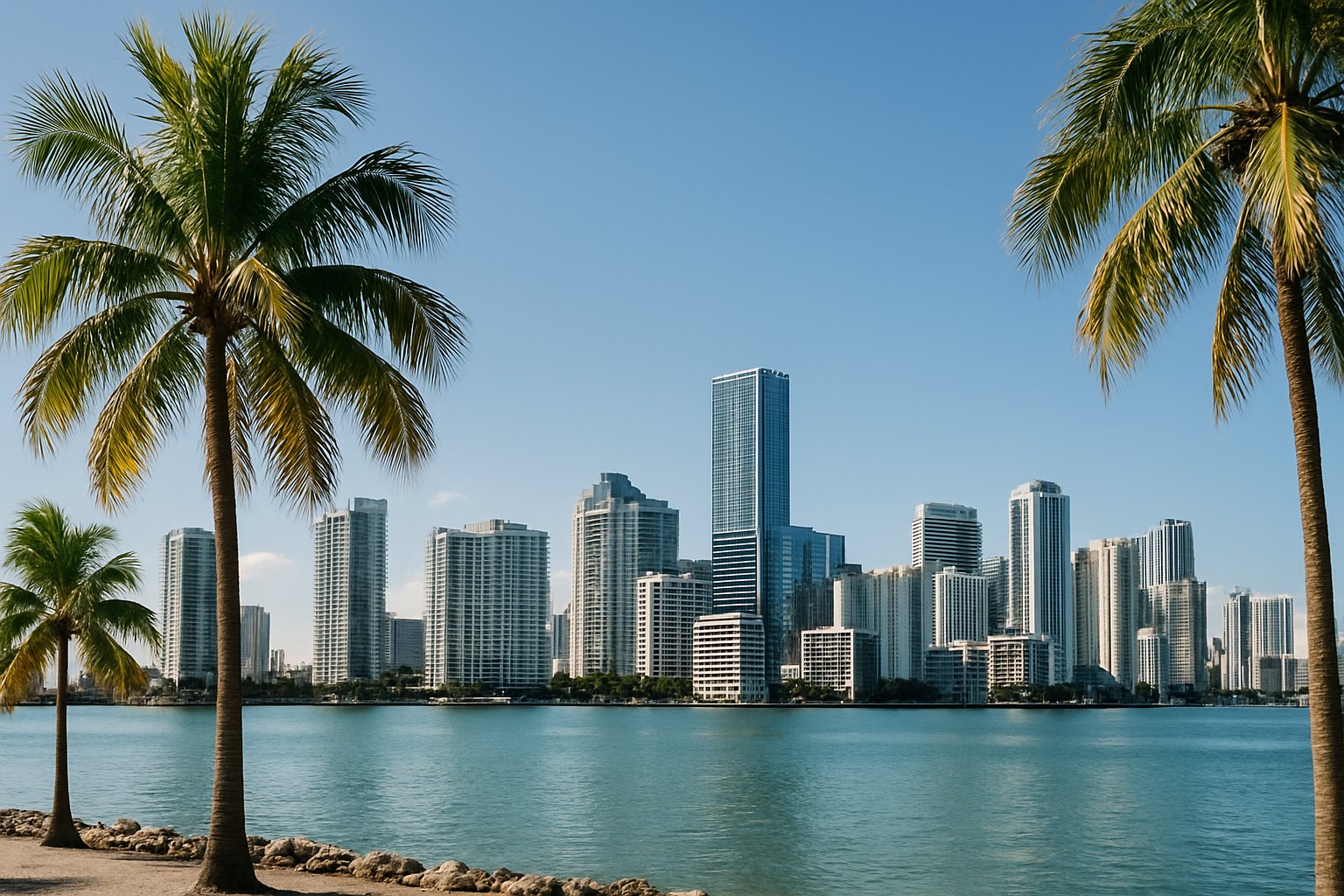
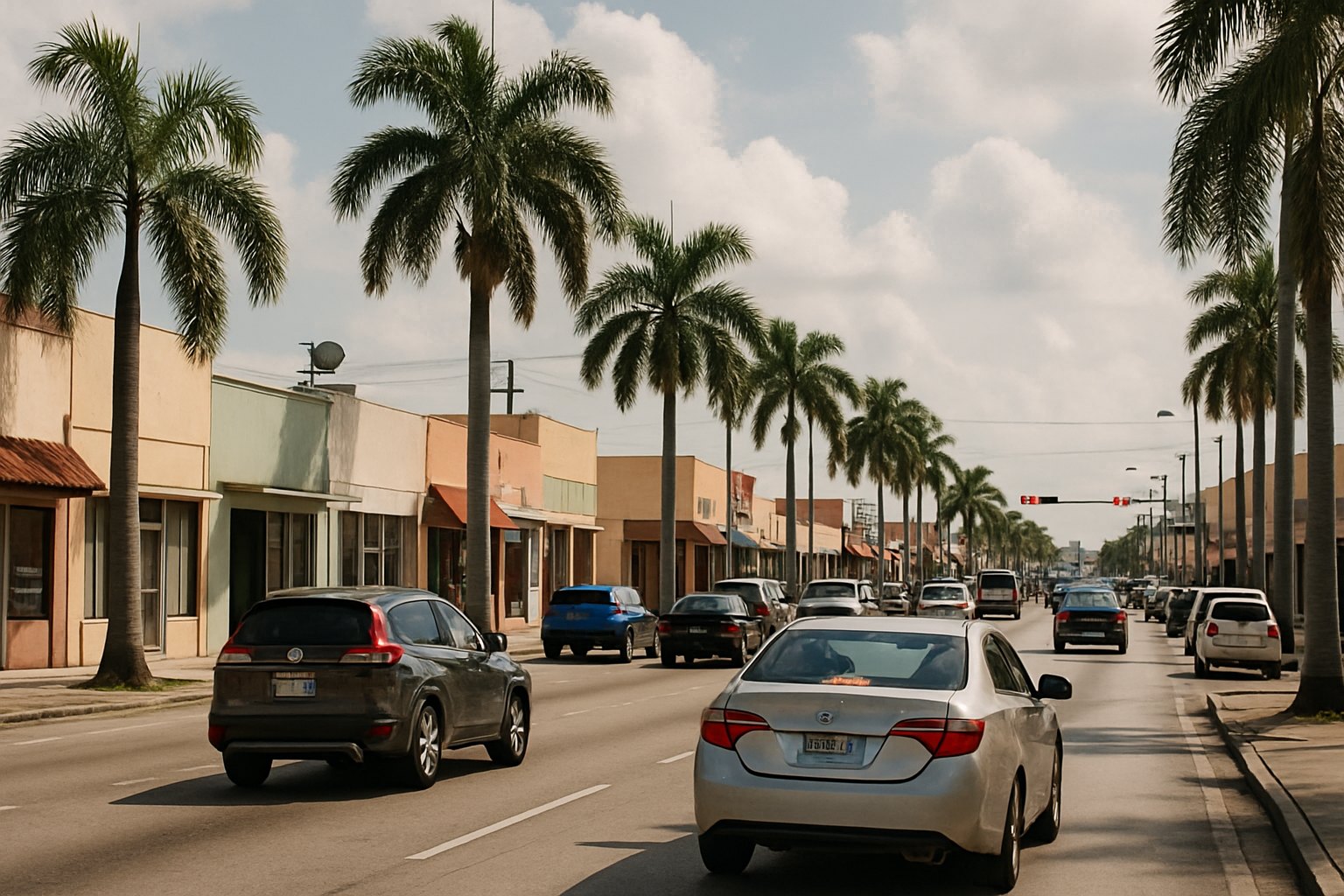
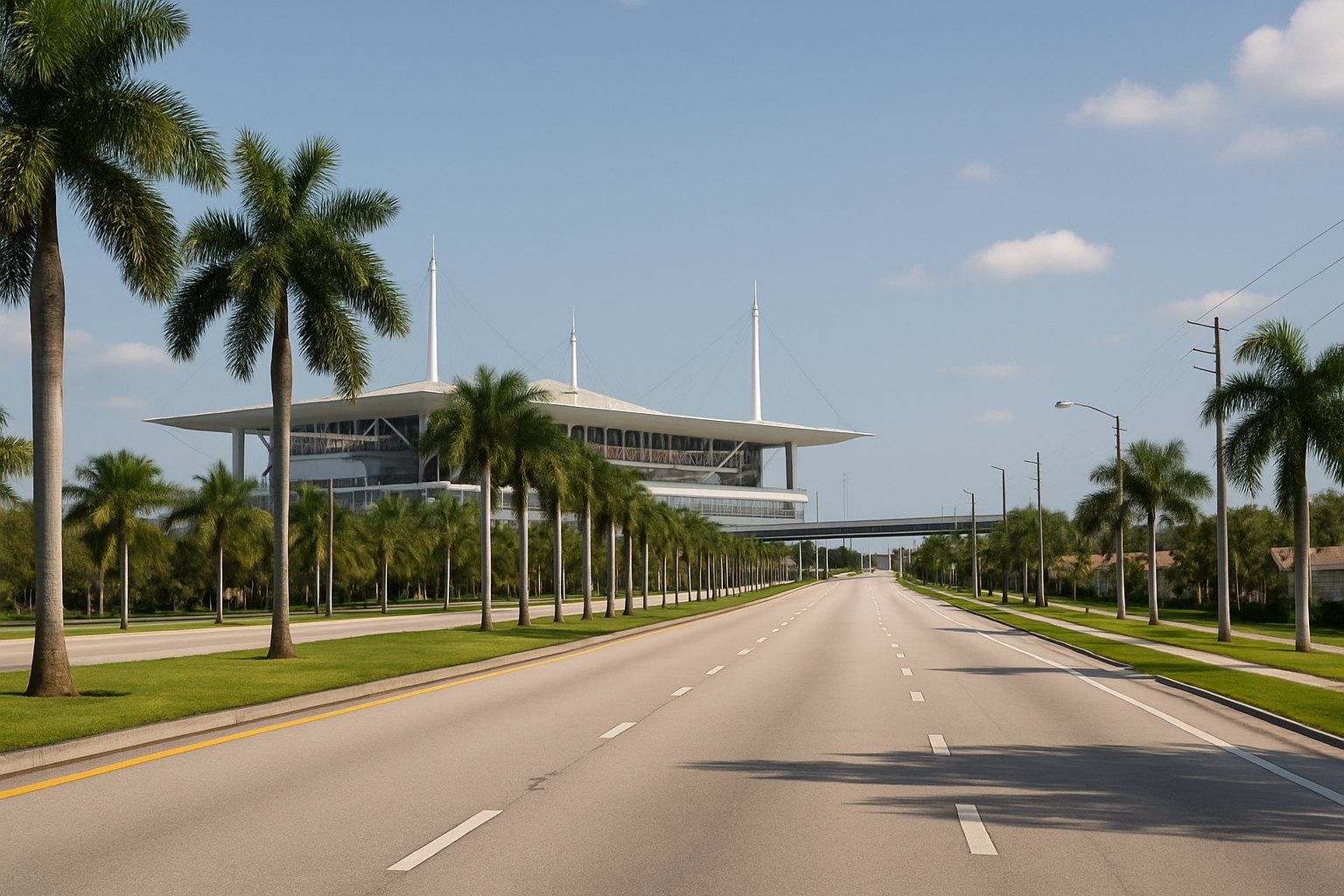
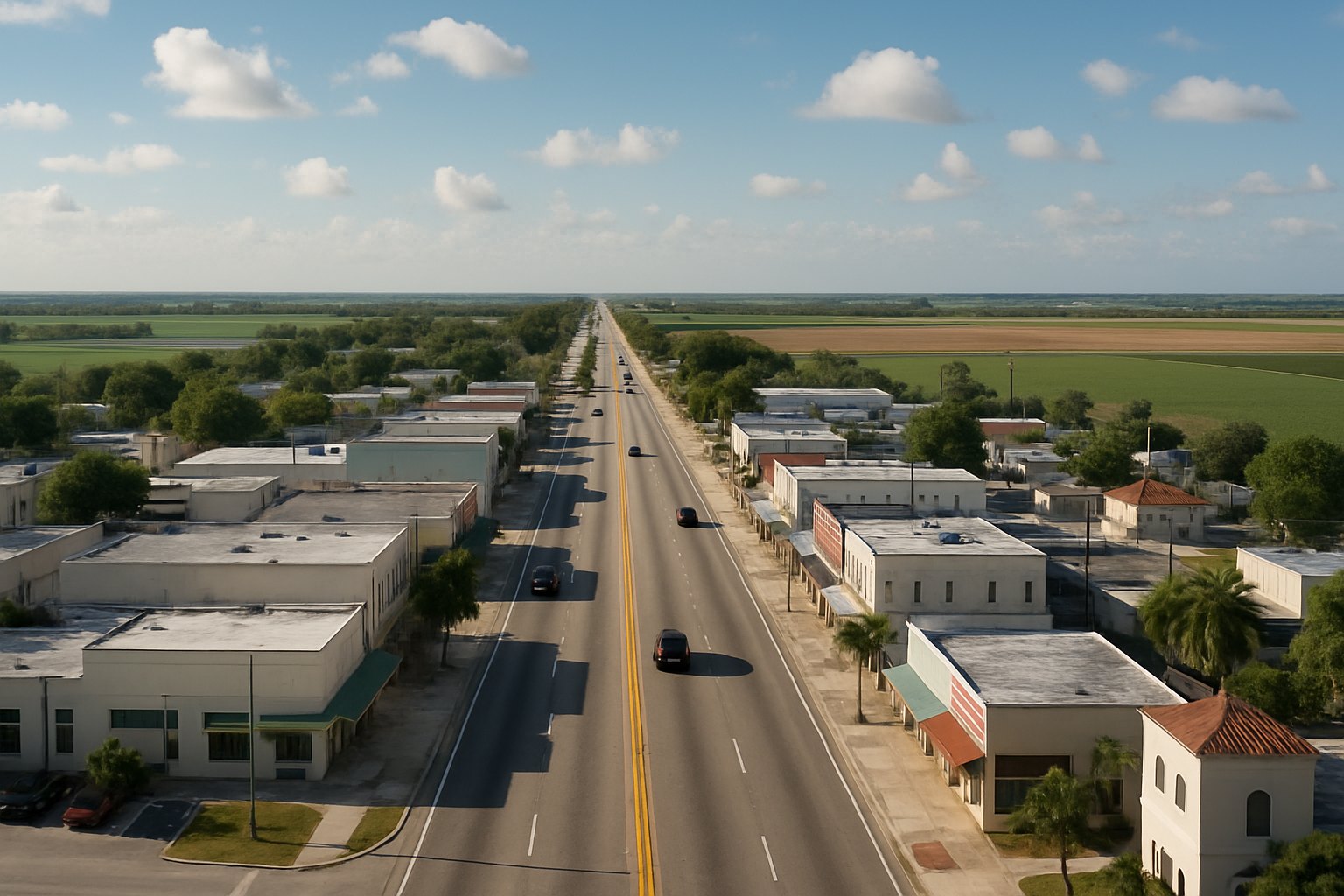
Reyes Injury Law represents injured people across Miami and Miami-Dade County. Find your city:

Frequently asked questions
What should I do right after an accident in Miami?
How will I pay my medical bills while my case is pending?
How long do I have to file a claim in Florida?
What does "no fee unless we win" mean?
Explore our Miami injury practice
- Miami Car Accident Lawyer
- Miami Truck Accident Lawyer
- Miami Motorcycle Accident Lawyer
- Miami Slip and Fall Lawyer
- Miami Rideshare Accident Lawyer
- Personal Injury Lawyer in Miami
- Personal Injury Lawyer in Hialeah
- Personal Injury Lawyer in Miami Gardens
- Personal Injury Lawyer in Miami Beach
- Personal Injury Lawyer in Homestead
Hurt in a wrongful death? Talk to us.
The consultation is free and there is no fee unless we win. A real person answers, 24 hours a day.
Call (305) 555-0147