Miami Uber & Lyft Accident Lawyers
Uber and Lyft crashes layer app-company insurance over the driver's. We untangle the coverage and pursue every available policy.
Call (305) 555-0147Free ConsultationMiami Rideshare Accident Lawyer
Uber and Lyft crashes layer app-company insurance over the driver's. We untangle the coverage and pursue every available policy. We represent injured people across Miami and Miami-Dade County, and a real person answers when you call, 24 hours a day.
How we help
- We take on the insurance company. You do not deal with the insurance company; we do.
- We help arrange your medical care. We help you get to the right doctors and get your injuries documented.
- We investigate fast. We move quickly to preserve the evidence before it disappears and build your case.
- We keep you updated. We call you with real status so you never have to chase your own case.
- No fee unless we win. The consultation is free; you may still be responsible for costs and expenses regardless of the outcome.
What sets us apart
The most common thing we hear is that the last firm went quiet, or that the insurance company was pushing for a quick statement or a lowball offer. We do it differently: a real person answers, we call you with updates, and we take the pressure off you.
We also take the hard cases, the complicated ones other firms turn away. If you are not sure whether you have a case, call and we will tell you honestly, free of charge.
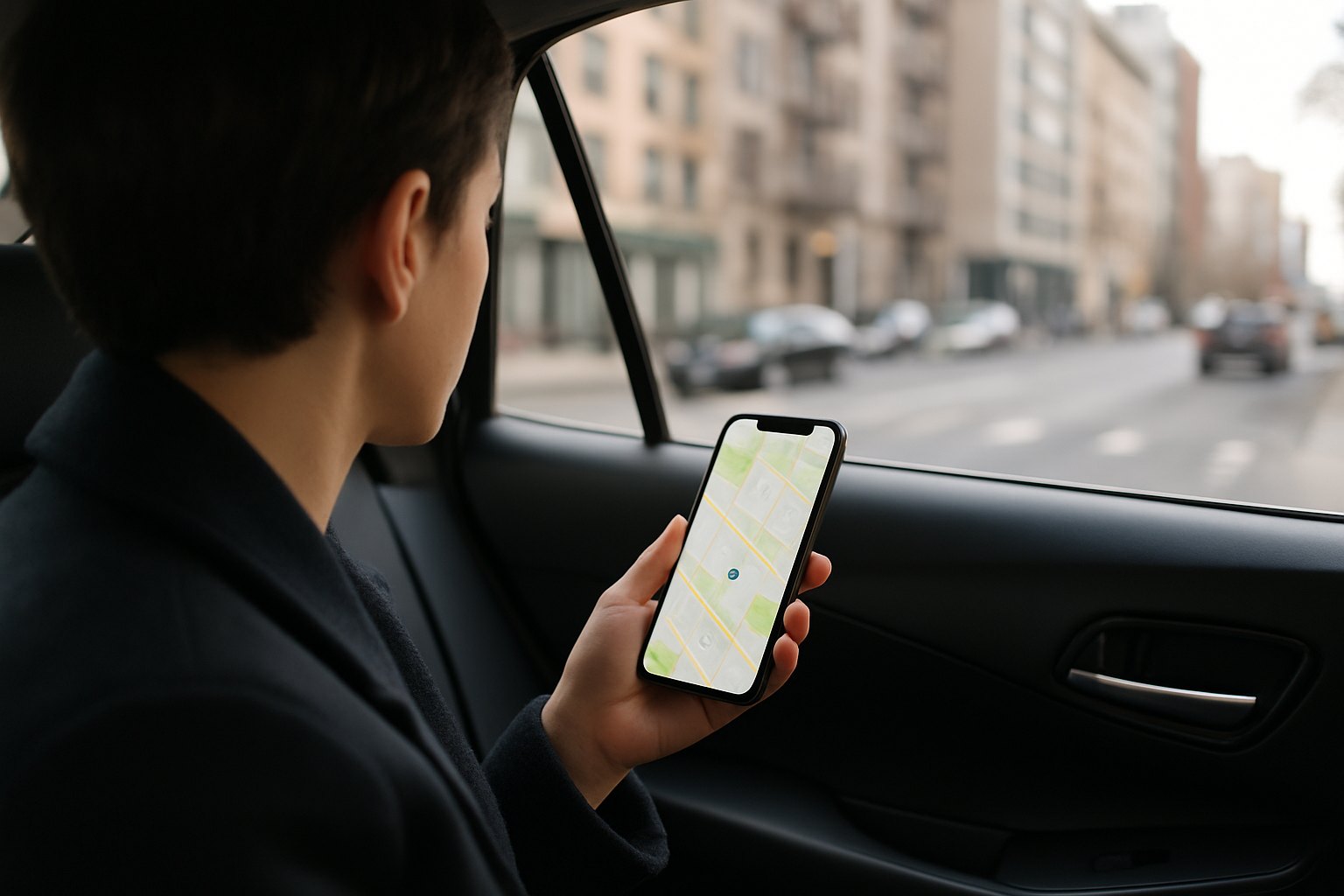
Everything turns on which coverage period the app was in
People call us and say the same sentence: I was hit by an Uber driver. It sounds like a car crash with a different logo on the windshield. It is not. What decides how much insurance exists in a rideshare accident is what the driver's app was doing at impact.
The four states the app can be in
Think of the driver's phone as a switch on the insurance:
- App off. Driver offline, driving personally. Only the driver's own personal auto policy applies; the rideshare company's coverage does not respond.
- Period 1. App on, waiting for a request, nobody matched. A contingent, more limited coverage applies, often as excess behind the driver's own policy.
- Period 2. Ride accepted, driver en route to pickup. The company's large commercial liability policy generally applies, with substantially higher limits.
- Period 3. Passenger aboard until drop-off. The large commercial policy generally applies, and uninsured motorist coverage is typically included.
Period 1 and Period 2 can be seconds apart
A rideshare driver waiting for a ping near the Miami International Airport staging lot, or circling Collins Avenue at two in the morning, is in Period 1. The instant that driver taps accept, the same car on the same block moves into Period 2 and a far larger policy applies. Nothing changed on the road. Everything changed on the insurance.
Where Florida PIP still fits
No-fault does not disappear because a crash involved a rideshare. As a passenger, your own Personal Injury Protection may still be first in line for part of your bills and lost wages, and Florida's 14 day treatment rule still applies. Our car accident page covers PIP in depth.
The independent contractor problem
Uber and Lyft classify drivers as independent contractors, not employees, and that drives how these claims are defended. It is used to resist direct liability for the driver's conduct, pushing your claim toward the policy covering the driver during a given period rather than the company.
How long you have to file in Florida
As general information, Florida's statute of limitations for most negligence claims is two years from the incident for causes of action accruing after the March 2023 change in the law. Deadlines are fact-specific. This is background, not legal advice.
Proving what the app was doing
Period status is not an opinion. It is a data question, and the data belongs to a third party, so in an Uber accident or Lyft accident case the people holding the proof are not the people you are claiming against.
What actually proves the period
Several independent records exist, and they corroborate each other:
- The company's trip record: request, acceptance, pickup, and drop-off with timestamps.
- GPS breadcrumb data, the location pings the app logs as the driver moves.
- The driver's own app screenshots, sometimes deleted later.
- The passenger's trip receipt and emailed ride history.
- The crash report, which sometimes notes rideshare status.
Why a preservation letter goes out early
Because the company holds this data rather than the driver, a written preservation demand matters. It puts the rideshare company on notice that specific trip and location records tied to a driver, time, and location must be retained. The same urgency applies to cameras at a Collins Avenue hotel or a PortMiami terminal gate.
The claims process moves fast, on purpose
These claims go to a third-party claims administrator, not the company you associate with the app, and someone often calls within a day. The in-app report an accident flow feels informal, more like customer service than insurance. What you write there is still a statement.
Miami geography changes the fact pattern
Pickup zones at Miami International Airport produce low-speed but heavily documented incidents, and PortMiami on a cruise turnaround day produces dense terminal traffic. South Beach, Ocean Drive, and Collins Avenue produce late-night demand, and Brickell, downtown, and Wynwood surge on weekends. Serious injuries route to Jackson Memorial Hospital and Ryder Trauma Center across the MacArthur and Julia Tuttle Causeways.
Two drivers, two policies, one crash
Many of these cases involve a rideshare vehicle and another car with fault disputed, putting several policies in play at once. Which one responds, and in what order, belongs before any talk of a settlement.
Your coverage path depends on where you were sitting
People hurt in the same rideshare accident follow different paths to coverage. Finding out which is yours is the first thing we do.
You were the passenger in the Uber or Lyft
If you were riding, you are almost never at fault and the ride was in progress, which is Period 3. The large commercial liability coverage generally applies, and uninsured motorist coverage is typically included, which matters when the other car carried little or no insurance. Your trip receipt establishes the period on its own.
You were in another car hit by a rideshare driver
This is where the period fight happens. You must establish what the app was doing, and you have no visibility into it. Period 2 or Period 3 means substantially higher limits. Period 1 means more limited coverage that may sit behind the driver's own policy. App off means the company's coverage does not respond, so the preservation demand goes out early.
You were a pedestrian, a cyclist, or the rideshare driver yourself
Pedestrians and cyclists struck on Ocean Drive or Biscayne Boulevard face the same period analysis plus a harder evidence problem: often no independent witnesses, and only the driver knows what the app said. Drivers have their own problem: personal auto policies commonly contain a livery or commercial-use exclusion, so a rideshare driver without an endorsement can find a real gap in Period 1.
Bring the phone to the first meeting
The trip entry, the receipt, and the driver profile settle in a minute what a letter to the company can take weeks to confirm.
What no fee unless we win means here
We handle these cases on a contingency fee, so our fee comes from a recovery and there is no attorney fee if there is no recovery. You may still be responsible for costs and expenses regardless of outcome. Prior results do not guarantee a similar outcome.
Mistakes that quietly cost people their claim
Most of the damage to a case happens in the first two weeks, before anyone has hired a lawyer. These are the ones we see most often.
Assuming the Uber sign in the window means the big policy applies
A decal or a dash-mounted phone proves the driver drives for a rideshare company. It proves nothing about whether the app was on, or which period applied, at impact. A driver who was offline carries only a personal auto policy.
Deleting the trip from your ride history or losing the receipt
If you were the passenger, the emailed receipt and the trip entry in your app are the cleanest proof of period status your case will ever have. People clear an inbox or switch phones and lose it. Screenshot the trip detail.
Explaining your injuries in the in-app accident report
The report an accident flow feels like messaging support, so people type freely, including sentences like I think I am okay, just shaken up. That is a statement, it is preserved, and it reappears when a disc injury is diagnosed weeks later.
Talking to the third-party claims administrator before you understand the coverage
The administrator who calls works for the insurer, not for you, and often calls before anyone confirmed which period applies. Where the car was going and whether a passenger was aboard are period questions. Get the name and claim number, and let your lawyer handle the substance.
Waiting to get checked out because the crash felt minor
Airport pickup zones and terminal traffic produce many low-speed impacts people walk away from. Florida's PIP rule does not care how the crash looked. Treatment generally must begin within 14 days, and delay hands the defense an argument that something else caused your injuries.
What proves your case and who actually pays
Evidence worth preserving right now
- Your trip receipt, confirmation email, and a screenshot of the trip detail showing request, pickup, and drop-off times
- The rideshare driver's name, vehicle, plate, and driver profile from your app, plus the trip identification number
- The crash report number and responding agency, and any note about rideshare status
- Photographs of every vehicle from all sides, plus wide shots showing final positions and the pickup zone
- Names and numbers of witnesses: other passengers, rideshare drivers waiting nearby, and airport or hotel staff
- Nearby cameras worth canvassing fast: terminal gates, garage entrances, hotel entrances
- Your own auto declarations page and policy, plus any rideshare endorsement if you drive
- Medical records and bills from the emergency department forward, including imaging and missed-work proof
Who actually pays after an Uber or Lyft crash in Miami
There is rarely one payer. Your own PIP generally pays first for part of your medical bills and lost wages regardless of fault, up to its limit. What sits above depends entirely on period status. With the app off, only the driver's personal auto policy is available. In Period 1, a contingent and more limited coverage applies, often as excess over the driver's own policy. In Period 2 and Period 3, the company's large commercial liability policy generally responds with substantially higher limits, and Period 3 typically includes uninsured motorist coverage.
When another driver caused the crash, that driver's bodily injury liability coverage enters too, each policy with its own insurance company. Because the rideshare company treats drivers as independent contractors, the practical work is with the applicable policy and its claims administrator, not the company itself.
This page is general information about Florida law, not legal advice about your specific situation. Prior results do not guarantee a similar outcome.
What it costs to hire us
You do not pay us anything up front, and there is no charge for the consultation. We work on a contingency fee, which means our attorney fee comes out of the recovery only if we win your case. If we do not recover money for you, you owe no attorney fee.
You may still be responsible for costs and expenses regardless of the outcome of your case. We will explain any costs clearly and in writing before we begin, so there are no surprises. Prior results do not guarantee a similar outcome.
How your case works, step by step
From the first call to resolution, here is exactly what to expect when Reyes Injury Law handles your claim in Miami-Dade County.
1. Free consultation
Call and tell us what happened in Miami. A real person answers 24 hours a day, and there is no obligation.
What to have ready
Any photos from the scene, the crash or incident report or exchange information, and the name of any insurance company that has contacted you.
2. We take over the insurance company
We deal with the insurance company so you do not have to, and we protect your claim from a lowball first offer.
Do not give a recorded statement first
What you say early to an adjuster can be used to reduce your claim, so let us handle the communication.
3. We help you get treated
We help you line up the doctors and medical care you need so your injuries are properly documented.
Why treatment matters
Gaps in treatment are one of the first things the insurance company uses to dispute an injury claim.
4. We build and press your case
We gather the evidence, keep you informed at every step, and pursue the full value of your claim.
How we keep you informed
You hear from us with real updates, so you never have to chase your own case.
A note on fees and costs
You owe no attorney fee unless we win. You may still be responsible for case costs and expenses regardless of the outcome, and these are always explained in your written fee agreement before we begin.
Meet the Reyes Injury Law team
Click any photo to read about the attorney or staff member on your side. Bilingual team, se habla espanol.
What our clients say
Areas we serve
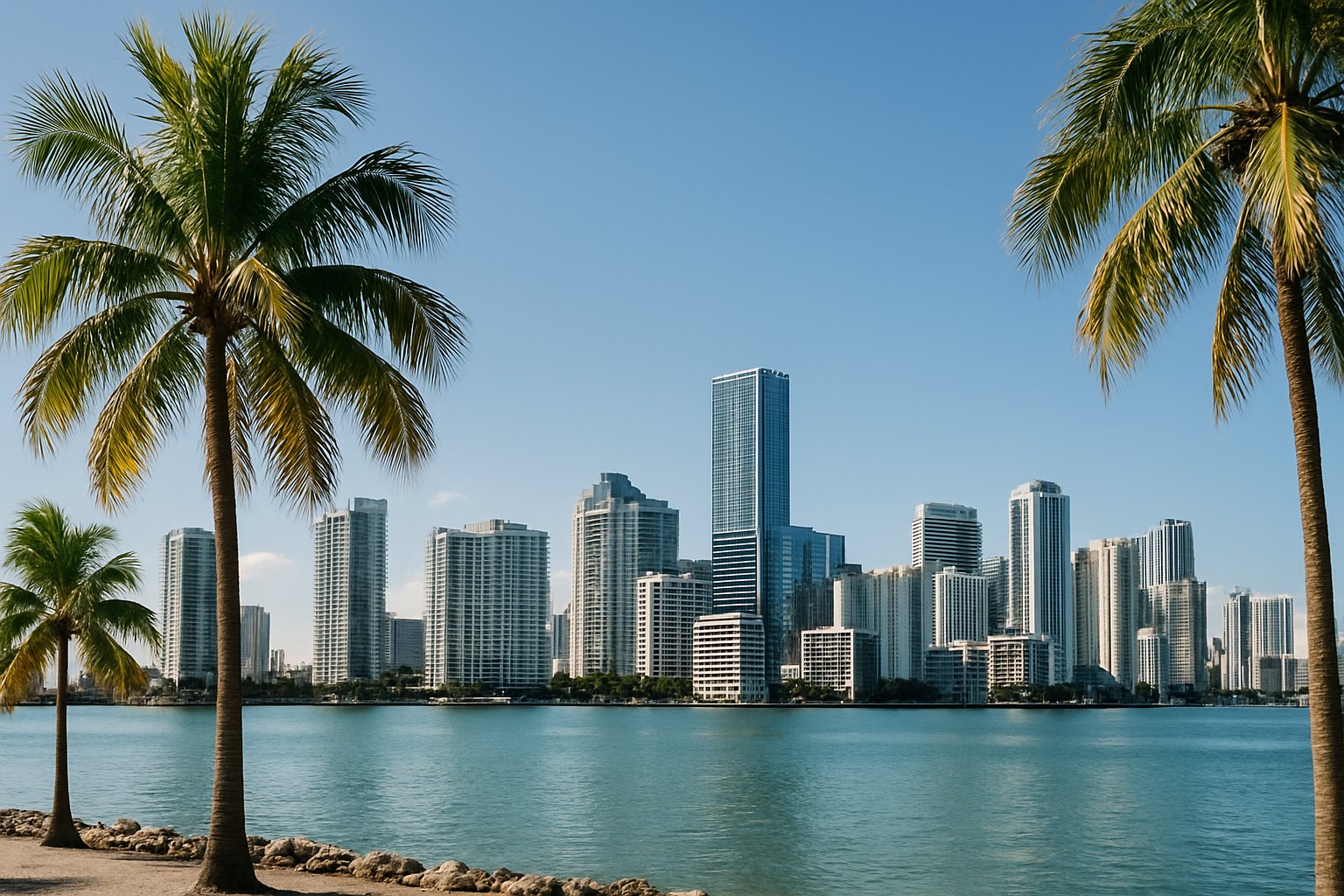
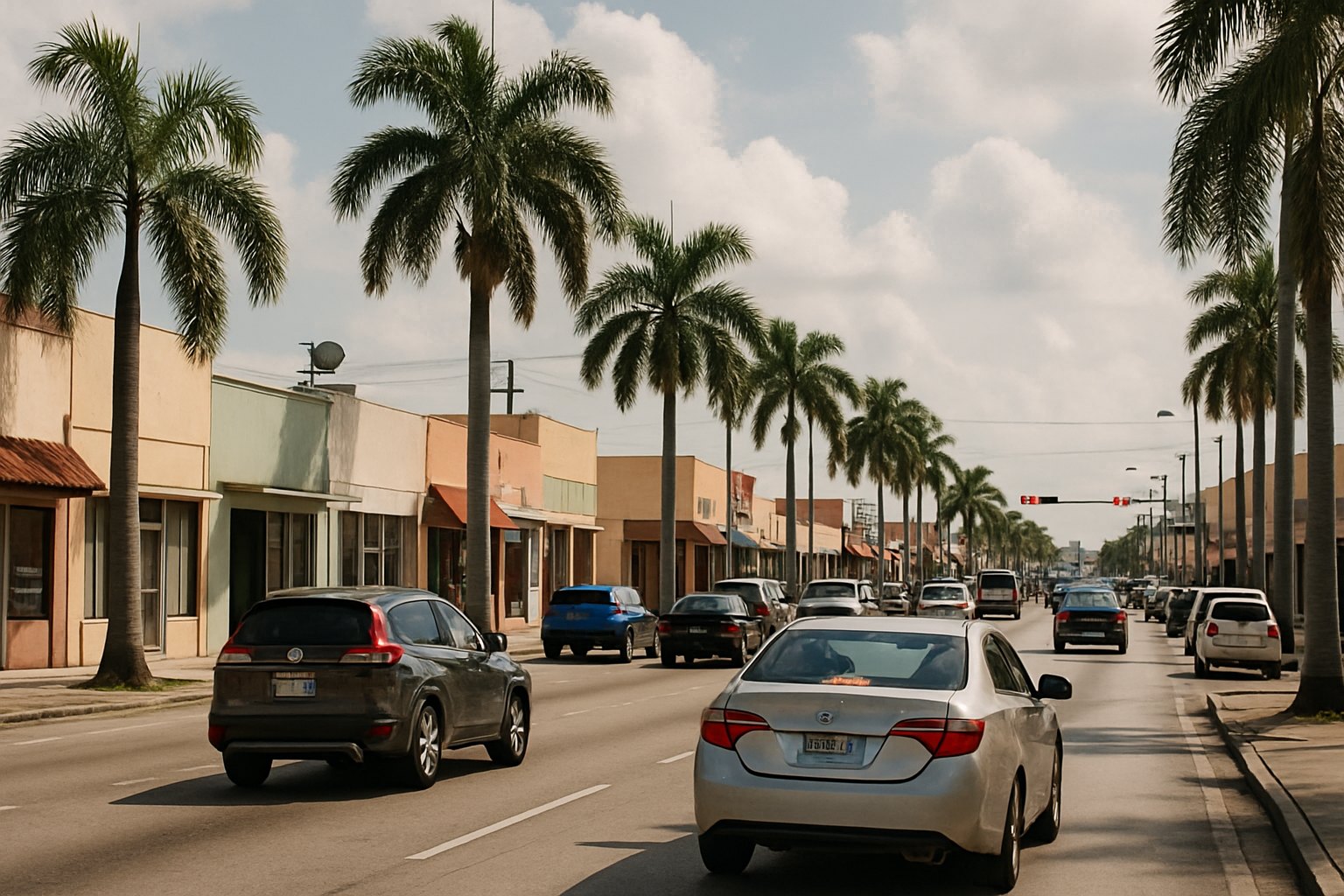
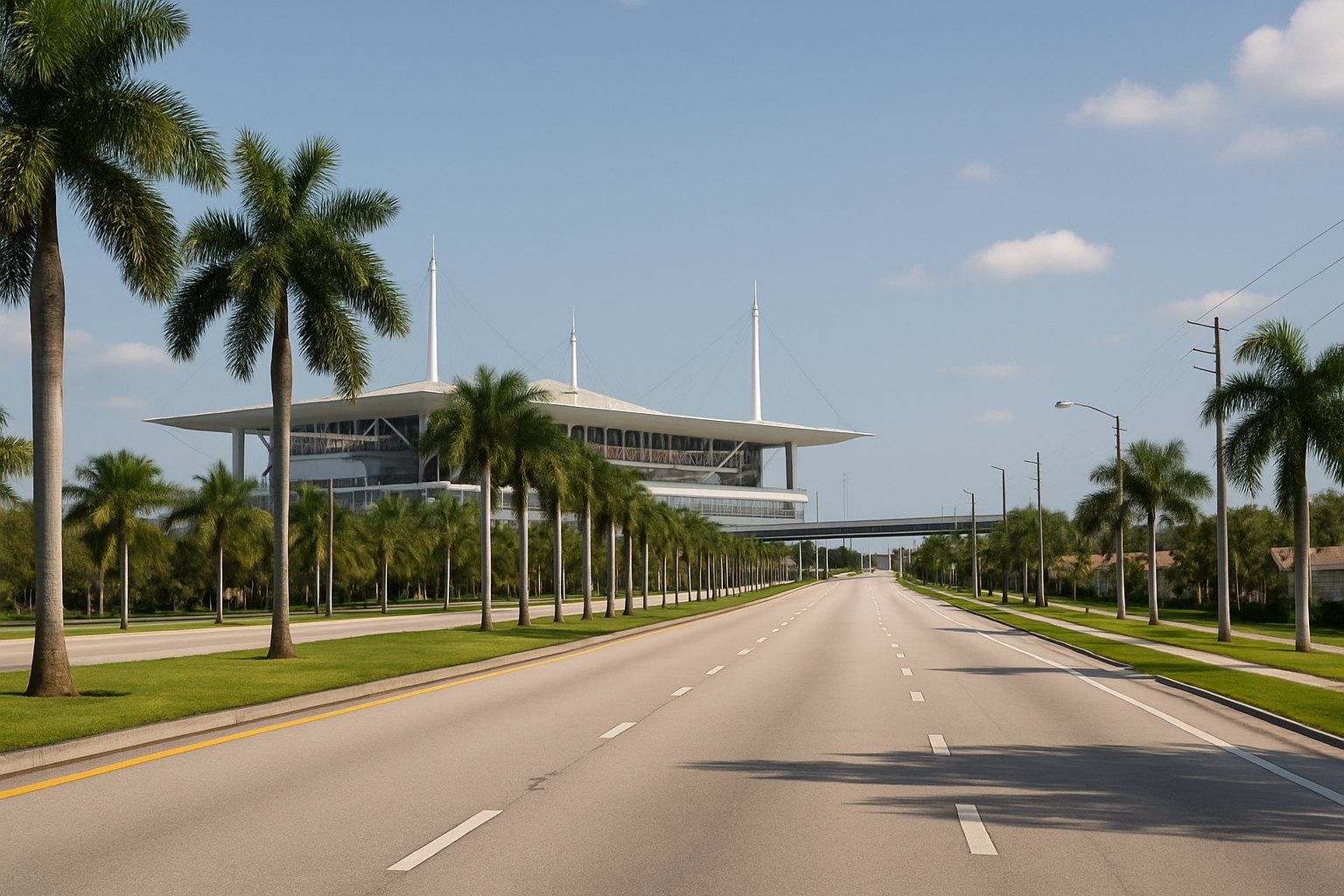
Reyes Injury Law represents injured people across Miami and Miami-Dade County. Find your city:




Frequently asked questions
What should I do right after an accident in Miami?
How will I pay my medical bills while my case is pending?
How long do I have to file a claim in Florida?
What does "no fee unless we win" mean?
Explore our Miami injury practice
- Miami Car Accident Lawyer
- Miami Truck Accident Lawyer
- Miami Motorcycle Accident Lawyer
- Miami Slip and Fall Lawyer
- Miami Wrongful Death Lawyer
- Personal Injury Lawyer in Miami
- Personal Injury Lawyer in Hialeah
- Personal Injury Lawyer in Miami Gardens
- Personal Injury Lawyer in Miami Beach
- Personal Injury Lawyer in Homestead
Hurt in a rideshare accident? Talk to us.
The consultation is free and there is no fee unless we win. A real person answers, 24 hours a day.
Call (305) 555-0147