Miami Truck & 18-Wheeler Accident Lawyers
Crashes with semi-trucks and 18-wheelers involve commercial policies and corporate defendants. We investigate fast and hold trucking companies accountable.
Call (305) 555-0147Free ConsultationMiami Truck Accident Lawyer
Crashes with semi-trucks and 18-wheelers involve commercial policies and corporate defendants. We investigate fast and hold trucking companies accountable. We represent injured people across Miami and Miami-Dade County, and a real person answers when you call, 24 hours a day.
How we help
- We take on the insurance company. You do not deal with the insurance company; we do.
- We help arrange your medical care. We help you get to the right doctors and get your injuries documented.
- We investigate fast. We move quickly to preserve the evidence before it disappears and build your case.
- We keep you updated. We call you with real status so you never have to chase your own case.
- No fee unless we win. The consultation is free; you may still be responsible for costs and expenses regardless of the outcome.
What sets us apart
The most common thing we hear is that the last firm went quiet, or that the insurance company was pushing for a quick statement or a lowball offer. We do it differently: a real person answers, we call you with updates, and we take the pressure off you.
We also take the hard cases, the complicated ones other firms turn away. If you are not sure whether you have a case, call and we will tell you honestly, free of charge.
Why a truck accident case is not a bigger car accident case
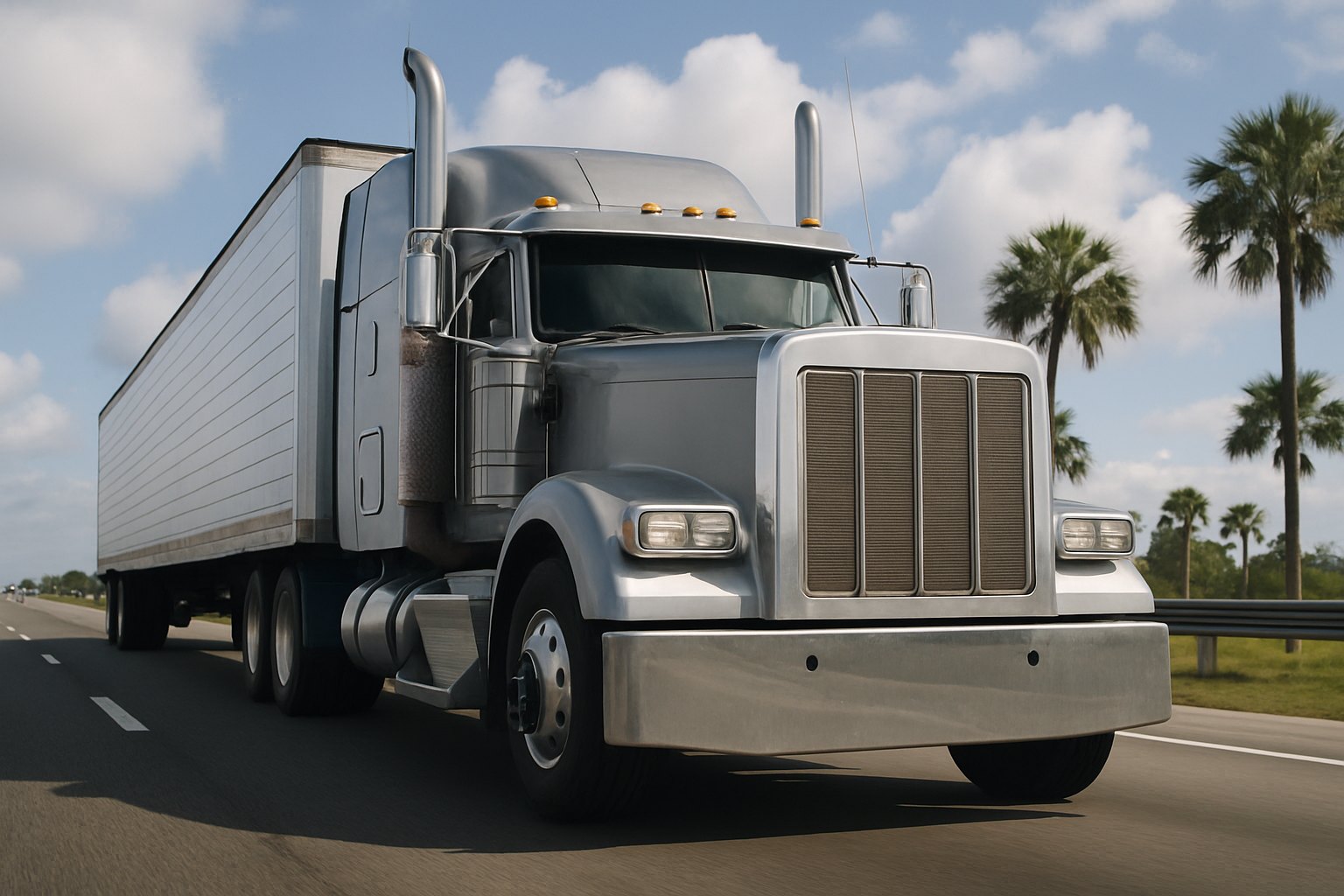
People call us and say a truck hit my car, expecting the same process a fender bender follows. It is not the same process. A truck accident involving a semi-truck, an 18-wheeler, a box truck, or a container chassis off the port puts you against a federally regulated business, its safety department, and its insurers. The rules that govern that business also create your proof, and most of that proof lives on the company's servers rather than at the scene.
The federal rulebook that governs the driver
Interstate commercial vehicle operations are governed by the Federal Motor Carrier Safety Regulations. Those rules do more than set standards. They require the motor carrier to generate and keep records, and those records are frequently the difference between a swearing contest and a documented violation. The categories that matter most in a crash case include:
- Hours of service limits on driving and on-duty time, plus required rest, recorded through the electronic logging device in the cab.
- The driver qualification file, which should contain the application, the employment history verification, the motor vehicle records, the road test, and the medical examiner's certificate.
- Drug and alcohol testing requirements, including pre-employment, random, and post-accident testing under defined circumstances.
- Vehicle inspection and maintenance records, including the driver's daily vehicle inspection reports and the repair history for the tractor and the trailer.
- Cargo securement standards and weight limits, which matter enormously when a load shifts, a container is loaded off-center, or a trailer is over gross.
A violation in any of those categories is not just a paperwork problem. It is evidence of negligence, and it often points past the driver to the company that dispatched him.
The ELD, the black box, and the telematics feed
A modern tractor is instrumented. The electronic logging device records duty status and driving time. The engine control module, what people call the black box, can capture road speed, throttle position, brake application, and hard-braking events in the seconds around an impact. Fleet telematics adds GPS position and time stamps, and many carriers run dashcams that save clips triggered by sudden deceleration.
All of it is powerful, and all of it is perishable. Telematics platforms and camera systems commonly overwrite on short retention cycles, and engine data can be overwritten by continued operation of the same tractor. Getting that material preserved is a race that starts the day of the crash.
The other side is already investigating
Serious crashes involving a trucking company often draw a rapid response. The carrier's safety director, an outside investigator, and representatives for its insurers can be on scene or on the phone within hours, while the roadway is still closed and you are still in an emergency department. They photograph and measure the scene, interview the driver, download the engine data on their own terms, and secure the tractor and trailer. That is not improper, it is preparation, and it happens while the injured person has no one working the same problem.
The spoliation letter, and why it goes out in days
One of the first things we send in a semi-truck case is a preservation letter, often called a spoliation letter, to the motor carrier and anyone else who may hold evidence. It identifies the crash and demands that specific categories of material be preserved and not altered, destroyed, or overwritten: ELD and hours of service data, driver logs and supporting documents, engine control module and event data recorder downloads, dashcam and in-cab video, telematics and GPS records, dispatch records and messages, bills of lading and load documents, weight tickets, the driver qualification file, maintenance and inspection records, and the tractor and trailer themselves pending inspection. The letter also puts the recipient on notice that routine retention policies do not excuse destruction once a claim is known.
Independent inspection of the truck
Where the vehicles still exist, an inspection with the right people present can settle what documents alone leave open: brake adjustment across every axle, tire condition, lighting and conspicuity tape, coupling hardware, load restraint devices, and the physical evidence of impact. This usually has to be coordinated so all sides are present, which is another reason the early preservation demand matters. A tractor back in service, or a repaired trailer, cannot be inspected in the condition that mattered.
How long you have to file in Florida
As general information, Florida's statute of limitations for most negligence claims is two years from the date of the incident for causes of action accruing after the March 2023 change in the law. Other deadlines can apply depending on the facts, including claims involving a government entity or a public transit vehicle, which carry separate notice requirements and shorter presuit steps. Deadlines are unforgiving and fact-specific. Treat this as background information, not as legal advice about your own case.
Who can be responsible besides the driver
In a car case there is usually one driver and one policy. In a truck accident, the tractor, the trailer, the load, the route, the schedule, and the driver can each belong to a different company. Sorting out that structure determines how many defendants there are and how much coverage exists to pay a serious injury claim.
The carrier's responsibility for its driver
A motor carrier is generally responsible for the negligence of a driver operating in the course and scope of the work. Carriers respond to that by arguing the driver was an independent contractor, an owner-operator, or leased on from another entity. Federal leasing rules and the placard on the door complicate that argument considerably, and the paper trail behind it, the lease, the settlement statements, the dispatch instructions, and the level of control the company actually exercised, is where the fight gets decided.
Claims against the company itself
Separate from responsibility for the driver's conduct, a trucking company can be directly at fault for its own decisions. These claims look at the company as the defendant it is:
- Negligent hiring, where the driver qualification file shows a history the carrier should have caught before putting him behind the wheel.
- Negligent retention, where the company kept a driver after violations, preventable crashes, or failed tests.
- Negligent training and supervision, where the carrier never trained for the conditions it dispatched into, or ignored its own monitoring data.
- Negligent entrustment and unsafe scheduling, where dispatch demanded a run that could not be made legally under hours of service rules.
Brokers, shippers, loaders, lessors, and maintenance contractors
Freight moves through layers. A broker may have selected the carrier. A shipper may have tendered a load with a deadline that pressured the schedule. A warehouse or terminal may have loaded and sealed the trailer, which matters when a load shifts or a container is out of balance. A leasing company may own the tractor or trailer, and a third-party shop may have done the brake work. Each relationship is documented, and each can carry its own insurance. Identifying them before records cycle out is core work in a commercial vehicle case.
Why the driver alone is rarely the whole case
Focusing only on the driver produces the smallest possible case. It accepts the carrier's preferred framing, that one employee made one mistake, and leaves the company's own conduct and the deeper layers of coverage untouched. The records showing scheduling pressure, ignored maintenance defects, or a hiring decision made despite a known history are the records that change what a case is about.
When the load is the problem
Cargo cases are their own category. An improperly secured load can shift in a turn, an overweight or unevenly loaded trailer changes braking distance and rollover behavior, and unsecured freight can leave the vehicle entirely. Proving it means getting the bills of lading, weight tickets, securement documentation, and the identity of whoever loaded and sealed the trailer, which is frequently not the carrier at all.
Where these crashes happen in Miami-Dade
Miami is a freight city. Container traffic off the port, distribution centers on the west side, and long-haul routes running north funnel heavy vehicles into the same corridors passenger cars use every day. Where a crash happened tells us what kind of trucking operation was involved and which records to chase first.
Port drayage and the container corridors
Drayage moves containers between PortMiami and the yards and warehouses inland, in short repetitive runs under tight turn times. These operations involve chassis that may be leased rather than owned, containers loaded and sealed somewhere else, and a mix of owner-operators and small carriers. When a chassis fails, a container is out of balance, or a turn time pushed a driver past his hours, the responsible party is often several links up the chain from the man in the cab.
The expressway network
Heavy vehicles concentrate on I-95, the Palmetto Expressway (SR 826), the Dolphin Expressway (SR 836), and Florida's Turnpike. Merge conflicts, blind spots along the trailer, and stopping distances passenger drivers underestimate produce underride, sideswipe, and chain-reaction collisions at speed. On a controlled-access road the useful evidence is rarely a witness. It is camera footage on a short retention cycle, engine and telematics data, and the physical evidence still on the vehicles.
Surface truck routes and the logistics corridors
Okeechobee Road (US-27) through Hialeah is a designated truck route where heavy vehicles share surface intersections with local traffic, and the warehouse corridors around Doral and Medley put yard traffic and backing maneuvers next to ordinary streets. Crashes here often involve turning movements, restricted sight lines around a trailer, and whether a vehicle belonged on that road at that weight at all. Nearby businesses frequently run cameras that incidentally capture the roadway and overwrite within days.
Severe injuries and where they get treated
Because of the weight difference, injuries in these crashes are often catastrophic, and severe cases across Miami-Dade commonly route to Jackson Memorial Hospital and the Ryder Trauma Center. Trauma documentation is triage-focused by design. It captures the life threats first, which means the injuries that define daily life a year later, the spine, the shoulder, the cognitive symptoms, are often recorded properly only at follow-up. That follow-up is both medical care and the record your case rests on.
Crashes that involve more than two vehicles
A heavy vehicle losing control on an expressway rarely stops at one impact. Multi-vehicle sequences bring multiple insurers with an incentive to point at each other and at you, and the order of impacts becomes genuinely contested. Reconstruction then leans on the physical evidence, the vehicle data from every vehicle that stored it, and scene documentation captured before the roadway reopened.
Mistakes that quietly cost people their claim
Most of the damage to a case happens in the first two weeks, before anyone has hired a lawyer. These are the ones we see most often.
Waiting weeks before anyone demands the records be preserved
This is the mistake that quietly destroys truck accident cases. Camera clips, telematics feeds, and dispatch messages cycle out on schedules measured in days and weeks. A tractor put back in service overwrites engine data. Nothing about that requires bad faith, it is just how retention policies run, but once the data is gone it is gone. A preservation demand sent in the first days is the single highest-value step available in these cases.
Giving the trucking company's insurance company a recorded statement
The call comes fast, it sounds administrative, and the person is usually pleasant. The questions are still built to lock in your version before anyone knows the extent of your injuries or what the vehicle data shows. You are not obligated to give a recorded statement to the other side's insurance company. Take the caller's name and claim number and let your lawyer handle the substance.
Signing anything the carrier or its representatives put in front of you
Early paperwork can include broad medical authorizations that open your entire history, property damage releases with language reaching further than the vehicle, or a settlement release that closes the whole claim. In a serious injury case the treatment picture is not complete in the first weeks. Signing a release ends the claim permanently, including for the surgery nobody has recommended yet.
Assuming the citation settles who was at fault
A traffic citation is one piece of evidence, and it is issued quickly by an officer working from limited information at a chaotic scene. It does not resolve negligence, and it says nothing about hours of service violations, maintenance defects, cargo securement failures, or hiring decisions that only the company's records reveal. We have seen cases where the citation went one way and the data told a different story. It is also why cases where the injured person got a ticket are still worth reviewing.
Posting about the crash or the recovery on social media
Photographs and check-ins get pulled into injury cases routinely, and context does not survive the trip. Ten seconds of standing and smiling at a family event gets presented as proof that your back is fine. While a claim is pending, the safest approach is to stop posting about the crash, your injuries, your treatment, and your activities entirely.
What proves your case and who actually pays
Evidence worth preserving right now
- The crash report number and responding agency, plus the driver's name, the carrier's name, and the USDOT and MC numbers from the door of the tractor
- Photographs of the tractor and the trailer including the door placards, the license plates, the container or trailer number, and any visible defects or missing conspicuity tape
- Wide scene photographs showing final rest positions, lane markings, skid or gouge marks, debris fields, and any spilled or shifted cargo
- Names and phone numbers of every witness taken before anyone leaves, including other drivers who stopped and anyone working at nearby businesses
- Identification of nearby cameras, including businesses, warehouses, terminals, and toll or roadway infrastructure, so footage can be requested before it is overwritten
- A written record of what the driver said at the scene, including anything about the route, the schedule, the delivery deadline, or how long he had been driving
- Your own declarations page and full policy for every vehicle in your household, to identify PIP limits and any uninsured or underinsured motorist coverage
- Every medical record and bill from the emergency department forward, plus documentation of missed work through pay stubs or a supervisor letter
Who actually pays in a Miami truck accident case
Commercial coverage is structured differently from a personal auto policy. Interstate motor carrier operations are subject to federal minimum financial responsibility requirements, with the required amount varying by the type of vehicle and the cargo being hauled, and many carriers carry primary coverage plus one or more layers of excess or umbrella coverage above it. Some policies carry an MCS-90 endorsement, a federally required form under which an insurer may have to pay a judgment involving a covered operation even where the underlying policy would otherwise not respond, with a right to seek reimbursement from the carrier afterward. We do not quote figures for any of this, because the applicable minimums and the actual coverage depend on the operation and the policies in force.
Coverage also multiplies with the number of parties. The driver, the trucking company, a broker, a shipper, the party that loaded the trailer, a tractor or trailer lessor, and a maintenance contractor can each carry separate insurance, and identifying every one of them is part of the early work. On your side, your own PIP coverage still pays first for a portion of medical bills and lost wages regardless of fault, and uninsured or underinsured motorist coverage in your household can matter even in a commercial vehicle case. We work on a contingency fee, which means no fee unless we win, and you may still be responsible for costs and expenses regardless of the outcome. Prior results do not guarantee a similar outcome in any case.
This page is general information about Florida law, not legal advice about your specific situation. Prior results do not guarantee a similar outcome.
What it costs to hire us
You do not pay us anything up front, and there is no charge for the consultation. We work on a contingency fee, which means our attorney fee comes out of the recovery only if we win your case. If we do not recover money for you, you owe no attorney fee.
You may still be responsible for costs and expenses regardless of the outcome of your case. We will explain any costs clearly and in writing before we begin, so there are no surprises. Prior results do not guarantee a similar outcome.
How your case works, step by step
From the first call to resolution, here is exactly what to expect when Reyes Injury Law handles your claim in Miami-Dade County.
1. Free consultation
Call and tell us what happened in Miami. A real person answers 24 hours a day, and there is no obligation.
What to have ready
Any photos from the scene, the crash or incident report or exchange information, and the name of any insurance company that has contacted you.
2. We take over the insurance company
We deal with the insurance company so you do not have to, and we protect your claim from a lowball first offer.
Do not give a recorded statement first
What you say early to an adjuster can be used to reduce your claim, so let us handle the communication.
3. We help you get treated
We help you line up the doctors and medical care you need so your injuries are properly documented.
Why treatment matters
Gaps in treatment are one of the first things the insurance company uses to dispute an injury claim.
4. We build and press your case
We gather the evidence, keep you informed at every step, and pursue the full value of your claim.
How we keep you informed
You hear from us with real updates, so you never have to chase your own case.
A note on fees and costs
You owe no attorney fee unless we win. You may still be responsible for case costs and expenses regardless of the outcome, and these are always explained in your written fee agreement before we begin.
Meet the Reyes Injury Law team
Click any photo to read about the attorney or staff member on your side. Bilingual team, se habla espanol.
What our clients say
Areas we serve
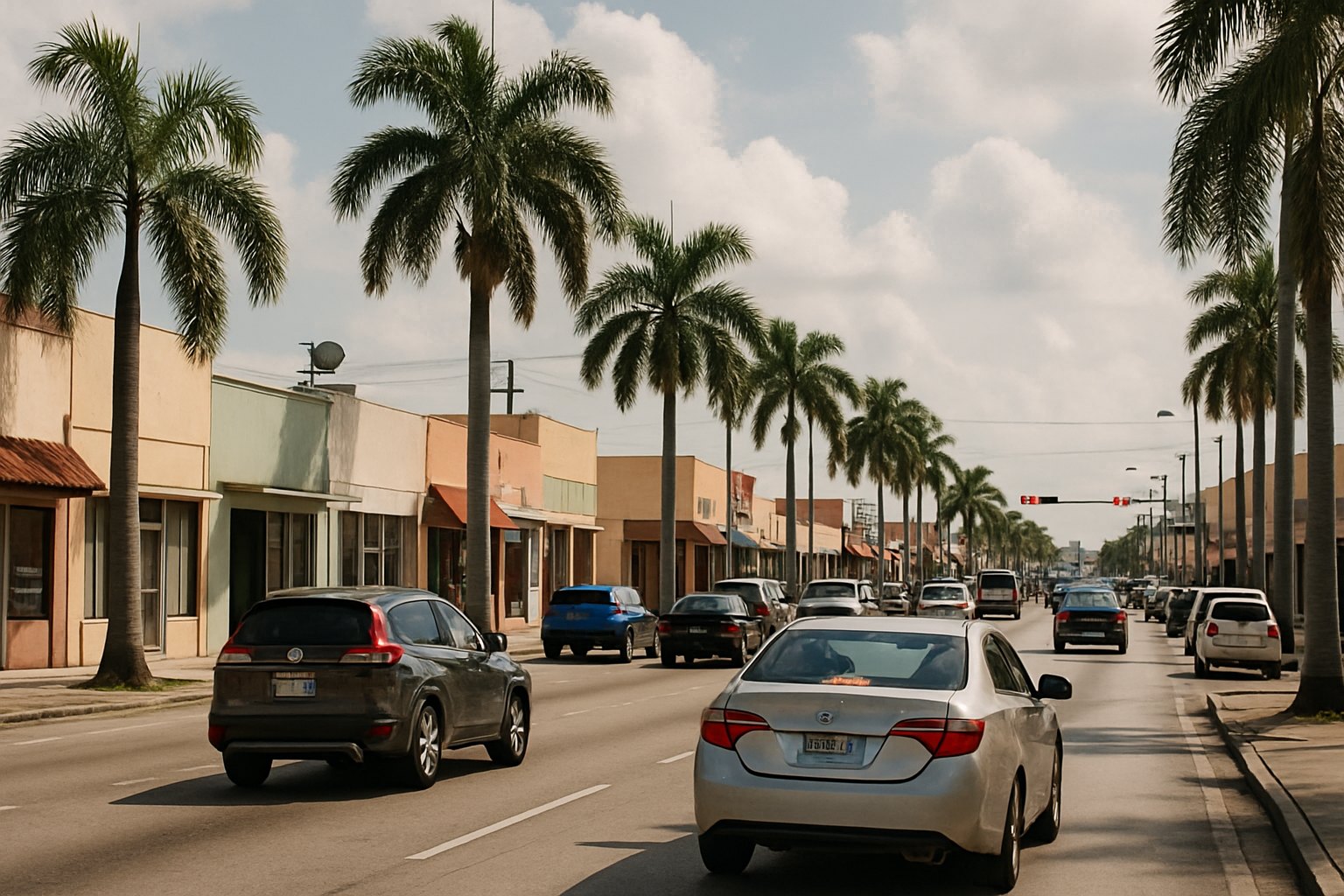
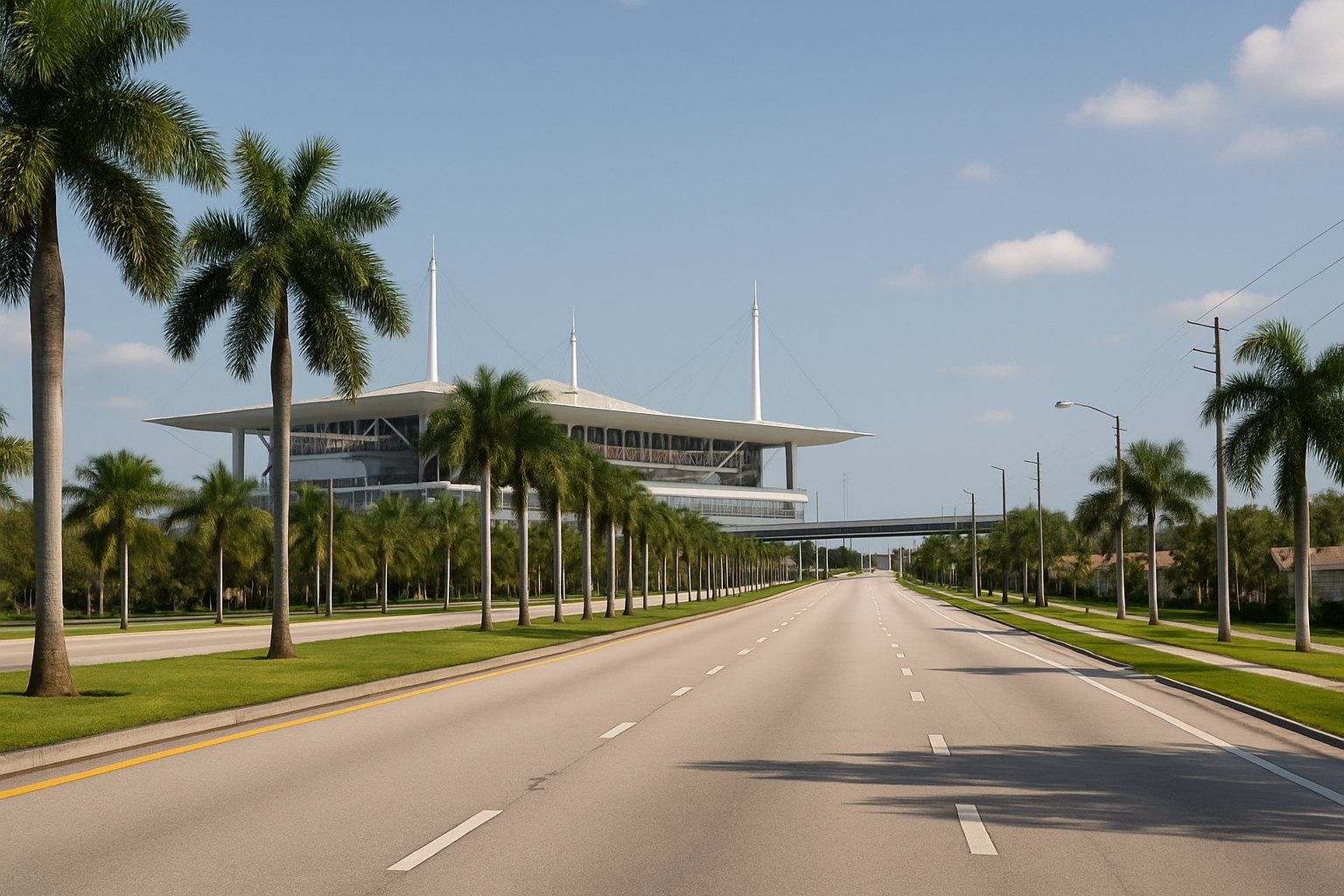
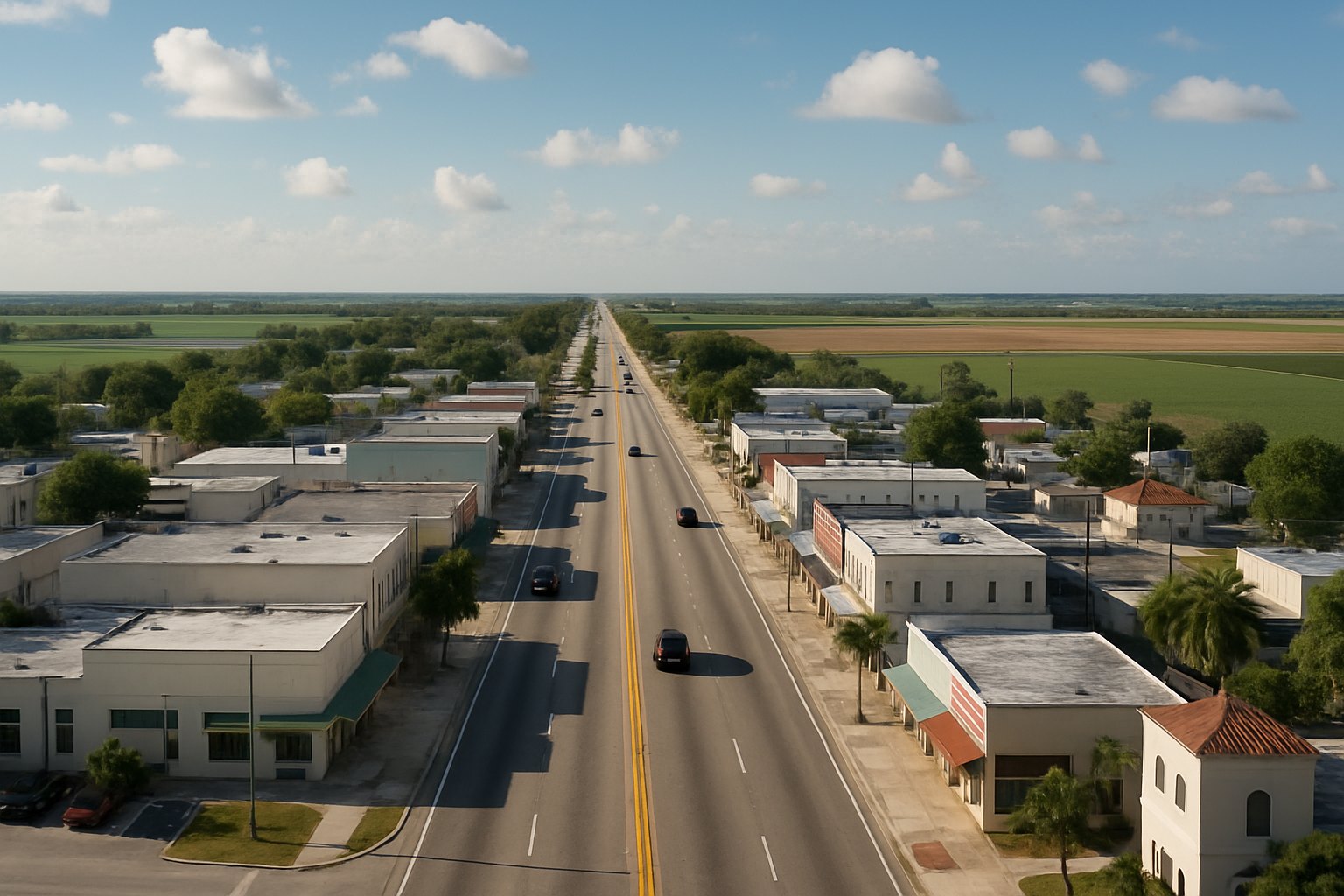
Reyes Injury Law represents injured people across Miami and Miami-Dade County. Find your city:





Frequently asked questions
What should I do right after an accident in Miami?
How will I pay my medical bills while my case is pending?
How long do I have to file a claim in Florida?
What does "no fee unless we win" mean?
Hurt in a truck accident? Talk to us.
The consultation is free and there is no fee unless we win. A real person answers, 24 hours a day.
Call (305) 555-0147