Miami Car Accident Lawyers
Rear-ended, sideswiped, or hit at an intersection in Miami. We deal with the insurance company, line up your treatment, and pursue the full value of your claim.
Call (305) 555-0147Free ConsultationMiami Car Accident Lawyer
Rear-ended, sideswiped, or hit at an intersection in Miami. We deal with the insurance company, line up your treatment, and pursue the full value of your claim. We represent injured people across Miami and Miami-Dade County, and a real person answers when you call, 24 hours a day.
How we help
- We take on the insurance company. You do not deal with the insurance company; we do.
- We help arrange your medical care. We help you get to the right doctors and get your injuries documented.
- We investigate fast. We move quickly to preserve the evidence before it disappears and build your case.
- We keep you updated. We call you with real status so you never have to chase your own case.
- No fee unless we win. The consultation is free; you may still be responsible for costs and expenses regardless of the outcome.
What sets us apart
The most common thing we hear is that the last firm went quiet, or that the insurance company was pushing for a quick statement or a lowball offer. We do it differently: a real person answers, we call you with updates, and we take the pressure off you.
We also take the hard cases, the complicated ones other firms turn away. If you are not sure whether you have a case, call and we will tell you honestly, free of charge.
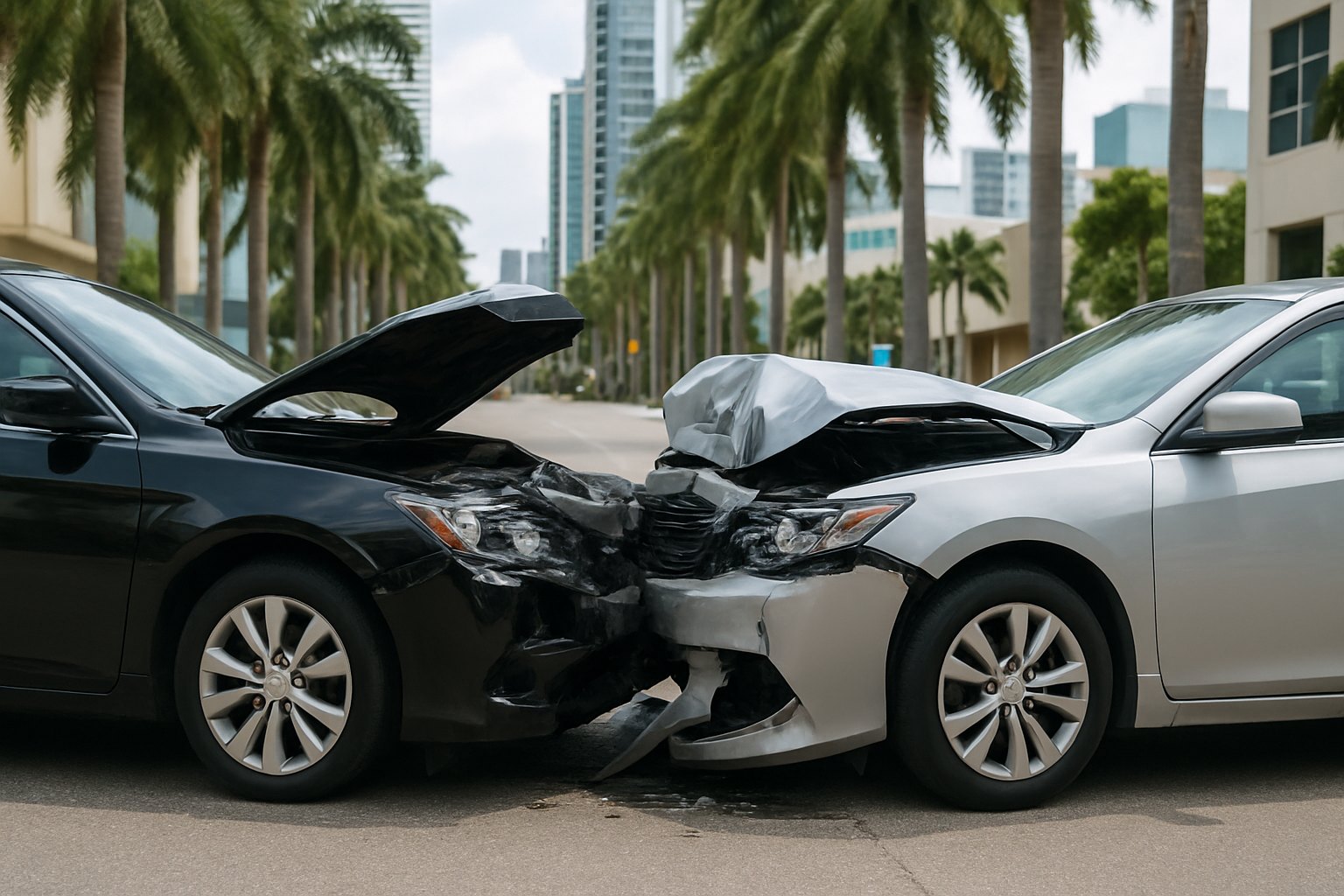
How a Miami car accident claim actually works
Most people who call us have never needed a lawyer before. They tell us the same thing: someone hit my car from the rear, and now the phone will not stop ringing. A car accident claim in Florida is not one claim. It is usually two, running at the same time, and they follow different rules. Understanding the split is what keeps you from signing away a case in the first week.
Your own PIP coverage comes first
Florida is a no-fault state. That means your own auto policy carries Personal Injury Protection, usually called PIP, and it pays first no matter who caused the crash. PIP has two features that surprise almost everyone:
- It covers a percentage of medical bills and lost wages up to the policy limit, not the full amount of either.
- Florida law generally requires you to be seen by a qualifying medical provider within 14 days of the crash, or PIP benefits can be denied entirely.
That 14-day window is the single most common way a good case gets damaged before a lawyer ever sees it. People feel sore, assume it will pass, and wait three weeks to see a doctor. If you were in a crash and you are reading this, the treatment clock matters more than the legal one.
The claim against the at-fault driver
Separate from PIP, you may have a bodily injury liability claim against the driver who caused the crash. Florida limits when you can bring one. Generally, the law requires an injury that meets a serious injury threshold, such as permanent injury, significant and permanent scarring or disfigurement, or significant and permanent loss of an important bodily function. Whether an injury meets that standard is a medical and legal question, which is why the records your doctors create in the first months matter so much.
This is also the claim where comparative negligence shows up. Under Florida's modified comparative negligence rule, a person found more than 50 percent at fault for their own injuries is generally barred from recovering. Below that, recovery is reduced by the percentage of fault assigned. This is exactly why the insurance company works so hard, so early, to get you on record saying something that sounds like partial blame.
Uninsured and underinsured motorist coverage
Florida does not require drivers to carry bodily injury liability coverage in the way many states do. A meaningful number of the crashes we see involve a driver whose coverage does not come close to the harm caused, or who has none at all. If you carry uninsured motorist or underinsured motorist coverage, that policy may become the real source of recovery in your case.
Many people do not know whether they have it. Finding out is not a phone call to your agent asking a yes or no question; it means reading the declarations page and the policy, checking stacking provisions, and identifying every household policy that could apply. We do that reading for you before anyone signs anything.
Why the recorded statement request comes so fast
Within a day or two of a crash, someone from the other driver's insurance company usually calls and asks to record a statement, framed as a routine step to move things along. It is not routine. It is evidence-gathering, and the questions are built to produce useful admissions: how fast were you going, did you see them before impact, are you feeling okay today. Answering that last one honestly on day two, before the stiffness sets in, can be used to argue your injuries came from something else. You are not required to give a recorded statement to the other driver's insurer, and we generally handle that contact for our clients.
The gap in treatment problem
If you treat for three weeks, feel a little better, stop for two months, then return when the pain comes back, the defense will call that a gap in treatment and argue that whatever hurt you later was not the crash. Life causes these gaps: work, childcare, transportation, cost. We would rather hear about the obstacle in advance and help solve it, whether that means finding a provider closer to you or arranging a ride to the appointment, than explain the gap afterward.
How long you have to file in Florida
As general information, Florida's statute of limitations for most negligence claims, including typical car accident claims, is two years from the date of the incident for causes of action accruing after the March 2023 change in the law. Different deadlines can apply depending on the facts, such as claims involving a government entity, which carry their own notice requirements and shorter presuit steps. Deadlines are unforgiving and fact-specific, so treat this as background information and not as legal advice about your own situation.
The crash corridors we see most in Miami-Dade
Where a crash happened changes how it is investigated. The evidence that exists on a controlled-access expressway is not the evidence that exists at a surface intersection, and knowing the difference tells us where to send an investigator on day one.
Expressway crashes: I-95, the Palmetto, and the Dolphin
High-speed collisions on I-95, the Palmetto Expressway (SR 826), and the Dolphin Expressway (SR 836) tend to produce more severe injuries and more complicated liability, because sudden lane changes, merge conflicts, and chain-reaction impacts leave more than two vehicles involved. In multi-vehicle crashes, the question of who struck whom first is genuinely contested, and each insurer has an incentive to point at another vehicle.
- Roadway and toll infrastructure may hold camera footage, which is typically overwritten on a short cycle.
- Commercial vehicles and newer passenger vehicles may store event data that is far more precise than anyone's memory.
- Debris fields and final rest positions get cleared within the hour, so scene photographs taken by the people who stopped can be irreplaceable.
Surface street and intersection crashes
On US-1, Biscayne Boulevard, Calle Ocho, Kendall Drive, and the arterial grid, the disputes are usually about right of way and signal timing rather than speed. These cases turn on different proof: signal phase data, the position of impact damage on each vehicle, sight-line obstructions, and independent witnesses who happened to be at the corner. Nearby businesses often run cameras pointed at their own entrances that incidentally capture the roadway, and those systems commonly overwrite within days.
Where the medical record starts
Serious crashes in Miami-Dade often route to Jackson Memorial Hospital and the Ryder Trauma Center, and the emergency documentation created there becomes the foundation of the injury case. What gets written in a trauma bay is triage-focused; it captures the life threats, not necessarily the shoulder or the lower back that becomes the long-term problem. That is not a flaw in the care, but it does mean the follow-up examination is where the full injury picture gets recorded, and it is another reason not to skip it.
Rear-end collisions are not automatic
Florida recognizes a presumption of negligence against the rear driver in a rear-end collision, which is why these feel like simple cases. They are not automatic. The presumption can be rebutted with evidence of a sudden and unexpected stop, an illegal or unexpected lane change, a mechanical failure, or a lead vehicle with no working brake lights. Expect the defense to look for one of those, and expect the property damage photographs to be used to argue the impact was too minor to hurt anyone.
Hit and run
If the other driver left, the case does not end. It shifts. Your own uninsured motorist coverage may respond, and identification efforts through camera canvassing, debris and paint transfer, and the crash report investigation can still find the vehicle. These cases generally require prompt reporting to law enforcement and to your own insurer, and the canvassing has to happen while the footage still exists.
Getting treatment when you cannot pay up front
The fear we hear more than any other is not about the law. It is money: the bills are stacking up, I have not been able to work, and I do not know how I am going to cover this. That fear is what pushes people into accepting the first offer the insurance company makes, often before anyone knows what the injury actually is.
How care gets arranged
A significant part of what we do is not legal at all. It is logistics. We help clients get in front of the right providers, we deal with the scheduling, and we follow up with the medical offices ourselves rather than sending you to do it. Depending on the situation, that can involve:
- Getting you to a physician who will evaluate crash injuries within the PIP treatment window.
- Coordinating diagnostic imaging when a doctor orders it, so an MRI is not delayed for weeks by paperwork.
- Connecting you with specialists when the primary evaluation points to something beyond soft tissue.
- Chasing the records and the billing so you are not the one calling providers to ask what happened.
Bills, liens, and what you actually take home
What matters at the end of a case is not the headline number. It is what reaches you after the medical side is resolved. Health insurers, providers treating on a letter of protection, and certain government payers may assert rights to be reimbursed out of a recovery. Working those balances down is real work, done case by case, and it directly changes your net result. We do not promise any particular reduction, because the answer depends on the payer, the plan language, and the facts. We do commit to actually doing the work rather than treating it as an afterthought.
Why the first offer usually arrives early
Early offers tend to arrive before the treatment picture is complete, which is precisely their advantage to the insurer. Settling closes the claim permanently. If a herniation shows up on imaging two months later, or a shoulder needs a procedure, that discovery comes after the release is signed and the claim cannot be reopened. There is no rule requiring you to respond to an early offer on the insurer's timeline.
What we tell clients about value
We will not quote you a number on a first call, and we would be skeptical of anyone who does. Case value depends on the injuries and how they resolve, the medical documentation, available coverage, liability disputes, and how the loss affects your work and daily life. Those facts develop over time. Prior results do not guarantee a similar outcome in any case.
Mistakes that quietly cost people their claim
Most of the damage to a case happens in the first two weeks, before anyone has hired a lawyer. These are the ones we see most often.
Waiting to see a doctor because you think it will pass
This is the most costly mistake in Florida car accident claims, for two separate reasons. First, PIP benefits generally require initial treatment within 14 days of the crash. Second, a delay hands the defense an argument that something other than the collision caused your injuries. Adrenaline and inflammation genuinely mask symptoms for a day or more, so feeling fine at the scene tells you very little. Get evaluated, describe every area that hurts even slightly, and make sure each one gets written down.
Giving the other driver's insurance company a recorded statement
The call sounds administrative and the person is usually pleasant. The questions are still designed to lock in your answers before you know the extent of your injuries or the facts of the crash. You are not obligated to give a recorded statement to the other side's insurer. Take the caller's name and claim number, and let your lawyer handle the substance.
Posting about the crash or your recovery on social media
Photographs and check-ins get pulled into injury cases routinely, and context does not survive the trip. One picture of you at a family birthday, standing and smiling for ten seconds, gets presented as proof that your back is fine. The safest approach while a claim is pending is to stop posting about the crash, your injuries, your treatment, and your activities entirely.
Letting the car get repaired or scrapped before it is documented
Your vehicle is evidence. Crush depth, intrusion, airbag deployment, seat and belt condition, and stored electronic data can all support what happened and how much force was involved. Once the vehicle is repaired, sold for salvage, or crushed, that proof is gone permanently. Before you authorize repairs or release the vehicle, tell your lawyer so it can be photographed and, if it matters, inspected.
Accepting a quick settlement to make the bills stop
Signing a release ends the claim for good, including for injuries and costs that have not appeared yet. If your case truly needs money now, that pressure is worth talking about openly, because there are often better ways to address it than closing a claim you cannot reopen. The worst version of this mistake is settling while still under active treatment.
What proves your case and who actually pays
Evidence worth preserving right now
- The crash report number and the responding agency, plus the other driver's name, insurer, and policy number
- Photographs of both vehicles from every side, including close-ups of the damage and wide shots showing final positions and the roadway
- Photographs of the scene itself: skid marks, debris, traffic signals and signs, lane markings, and anything blocking a driver's view
- Names and phone numbers of every witness, including passengers in other vehicles, taken before anyone leaves
- Your declarations page and full policy for every vehicle in your household, to identify PIP limits and any uninsured or underinsured motorist coverage
- Every medical record and bill from the emergency department forward, including imaging reports and referrals to specialists
- Documentation of missed work: pay stubs, a supervisor letter, or records showing hours you could not work
- Photographs of visible injuries taken over several weeks, because bruising and swelling change fast and are rarely photographed later
Who actually pays in a Miami car accident case
Payment in a Florida car accident case usually comes from layers rather than from one source. Your own PIP coverage pays first for a portion of medical bills and lost wages regardless of fault, up to its limit. Beyond that, recovery may come from the at-fault driver's bodily injury liability coverage, if the driver carried it and if the injury meets Florida's threshold for a claim against that driver. When the at-fault driver has no coverage or not enough, your own uninsured or underinsured motorist coverage may become the primary source, which is why identifying every policy in the household early is so important.
Other parties are sometimes responsible too. If the at-fault driver was working at the time, an employer's commercial policy may apply. If a defective part or an unsafe roadway condition contributed, other defendants can enter the case, though claims involving government entities carry their own notice requirements and shorter presuit steps. Part of the early work in any case is simply mapping every policy and party that could be on the hook, because a claim is only worth what there is coverage to pay.
This page is general information about Florida law, not legal advice about your specific situation. Prior results do not guarantee a similar outcome.
What it costs to hire us
You do not pay us anything up front, and there is no charge for the consultation. We work on a contingency fee, which means our attorney fee comes out of the recovery only if we win your case. If we do not recover money for you, you owe no attorney fee.
You may still be responsible for costs and expenses regardless of the outcome of your case. We will explain any costs clearly and in writing before we begin, so there are no surprises. Prior results do not guarantee a similar outcome.
How your case works, step by step
From the first call to resolution, here is exactly what to expect when Reyes Injury Law handles your claim in Miami-Dade County.
1. Free consultation
Call and tell us what happened in Miami. A real person answers 24 hours a day, and there is no obligation.
What to have ready
Any photos from the scene, the crash or incident report or exchange information, and the name of any insurance company that has contacted you.
2. We take over the insurance company
We deal with the insurance company so you do not have to, and we protect your claim from a lowball first offer.
Do not give a recorded statement first
What you say early to an adjuster can be used to reduce your claim, so let us handle the communication.
3. We help you get treated
We help you line up the doctors and medical care you need so your injuries are properly documented.
Why treatment matters
Gaps in treatment are one of the first things the insurance company uses to dispute an injury claim.
4. We build and press your case
We gather the evidence, keep you informed at every step, and pursue the full value of your claim.
How we keep you informed
You hear from us with real updates, so you never have to chase your own case.
A note on fees and costs
You owe no attorney fee unless we win. You may still be responsible for case costs and expenses regardless of the outcome, and these are always explained in your written fee agreement before we begin.
Meet the Reyes Injury Law team
Click any photo to read about the attorney or staff member on your side. Bilingual team, se habla espanol.
What our clients say
Areas we serve
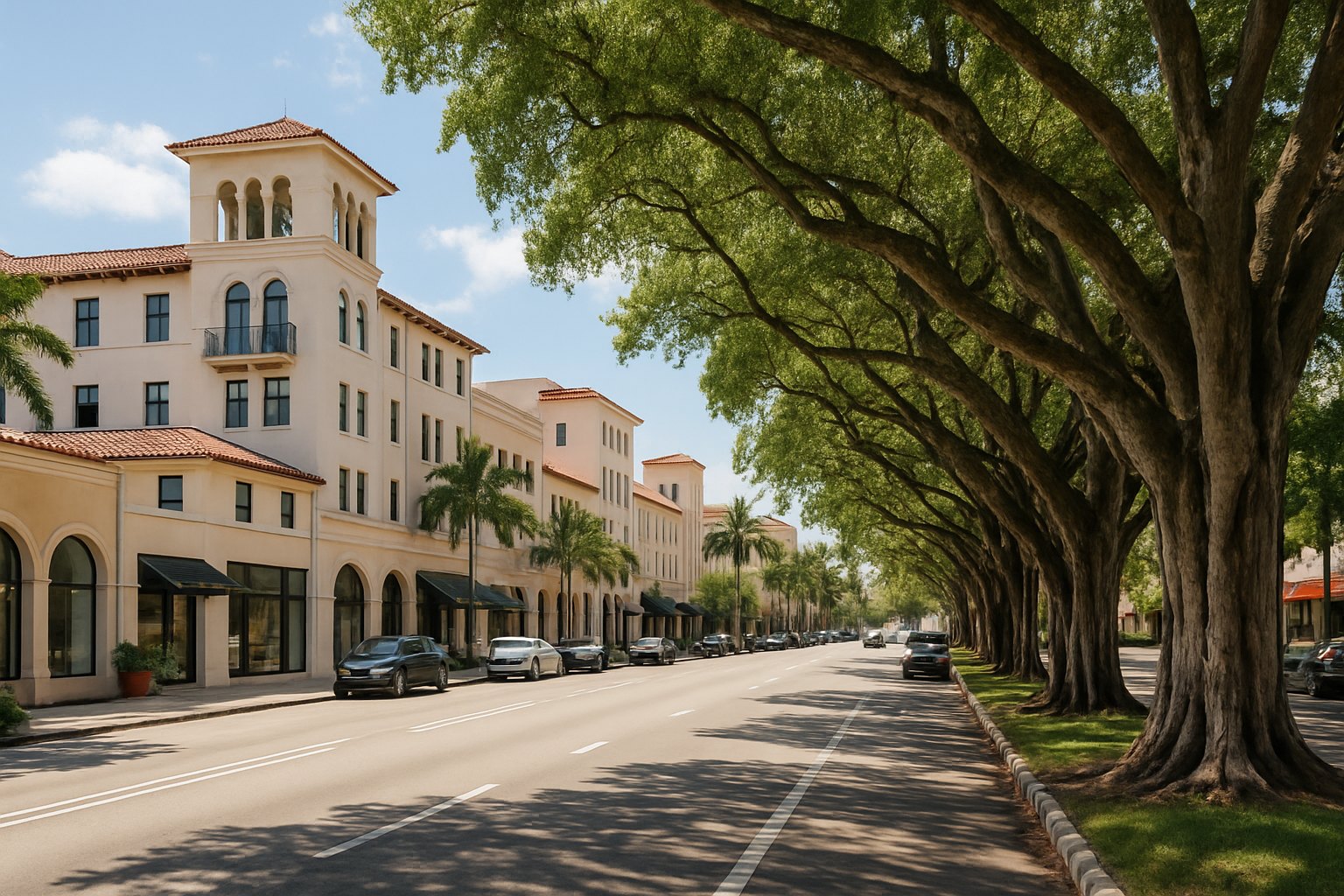
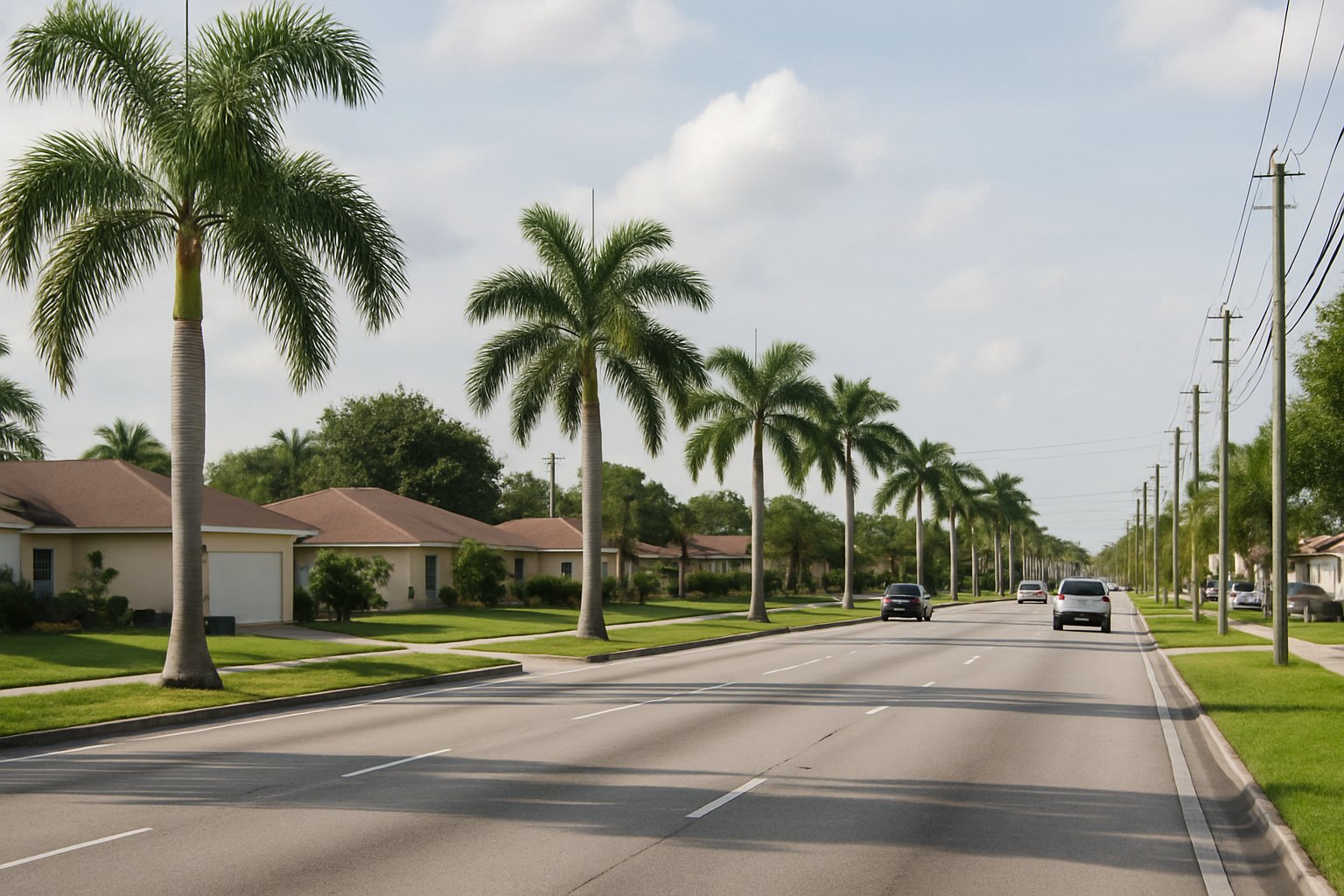
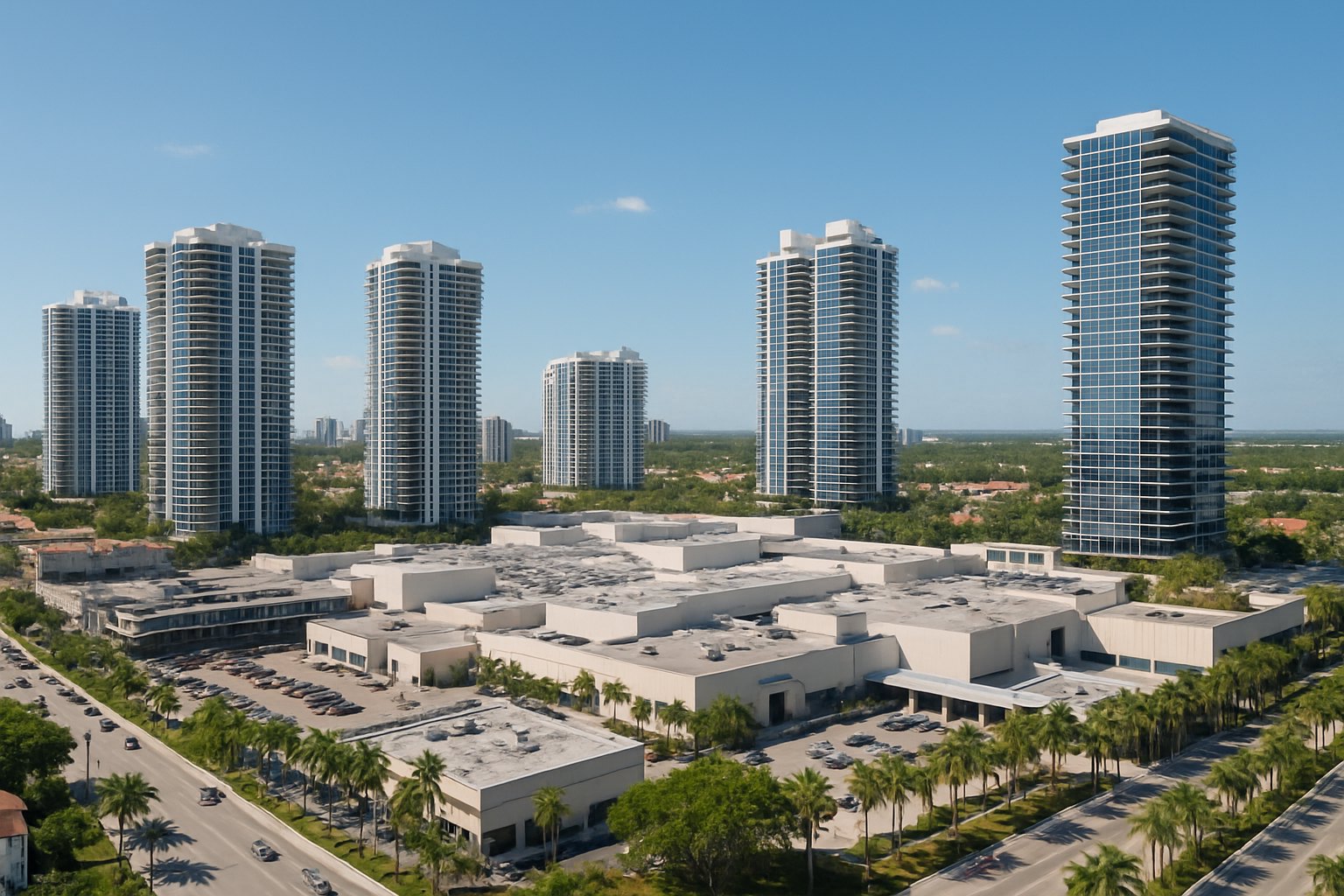
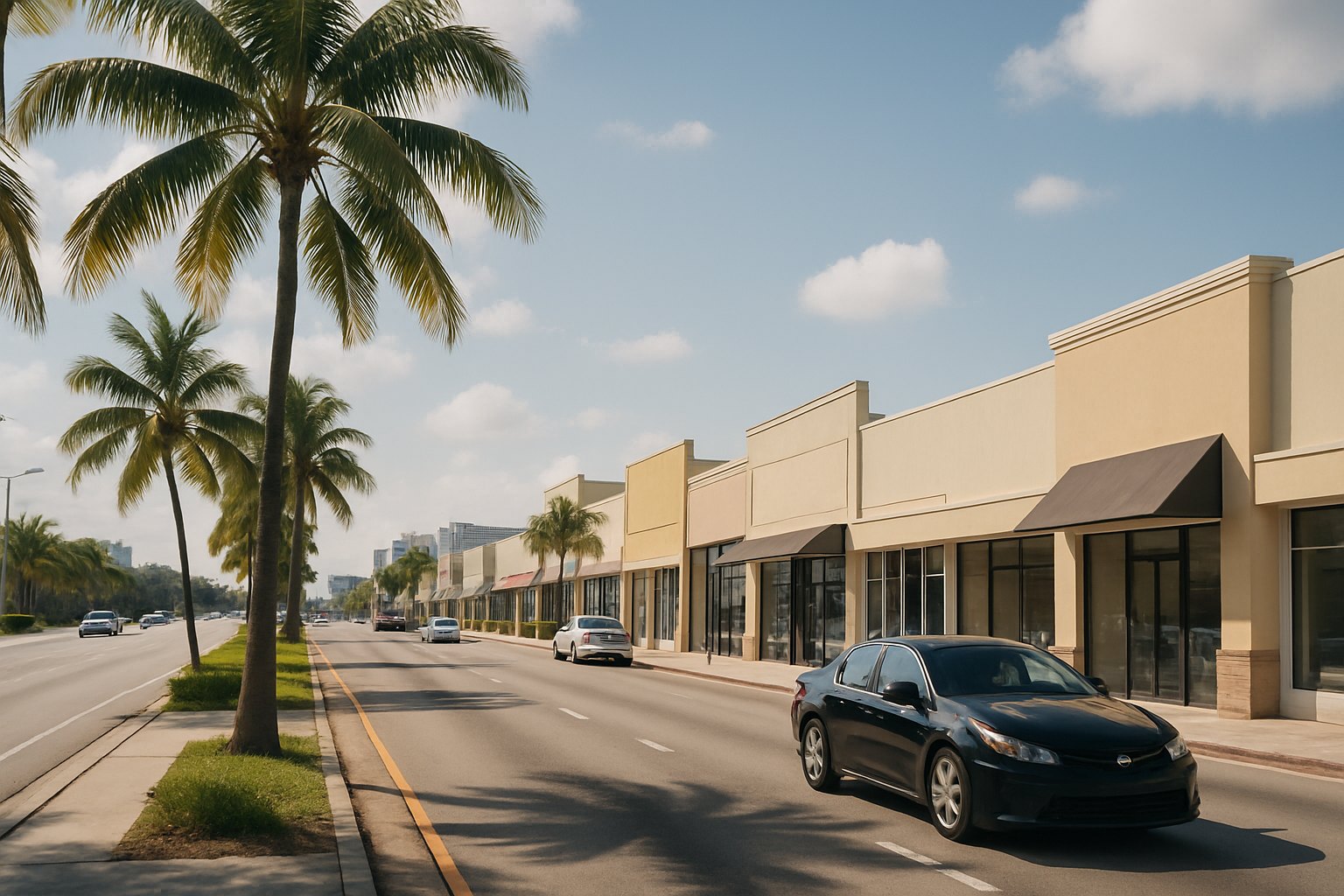
Reyes Injury Law represents injured people across Miami and Miami-Dade County. Find your city:


Frequently asked questions
What should I do right after an accident in Miami?
How will I pay my medical bills while my case is pending?
How long do I have to file a claim in Florida?
What does "no fee unless we win" mean?
Explore our Miami injury practice
Hurt in a car accident? Talk to us.
The consultation is free and there is no fee unless we win. A real person answers, 24 hours a day.
Call (305) 555-0147